We have updated our Privacy Policy, click here for more information.
Thank you


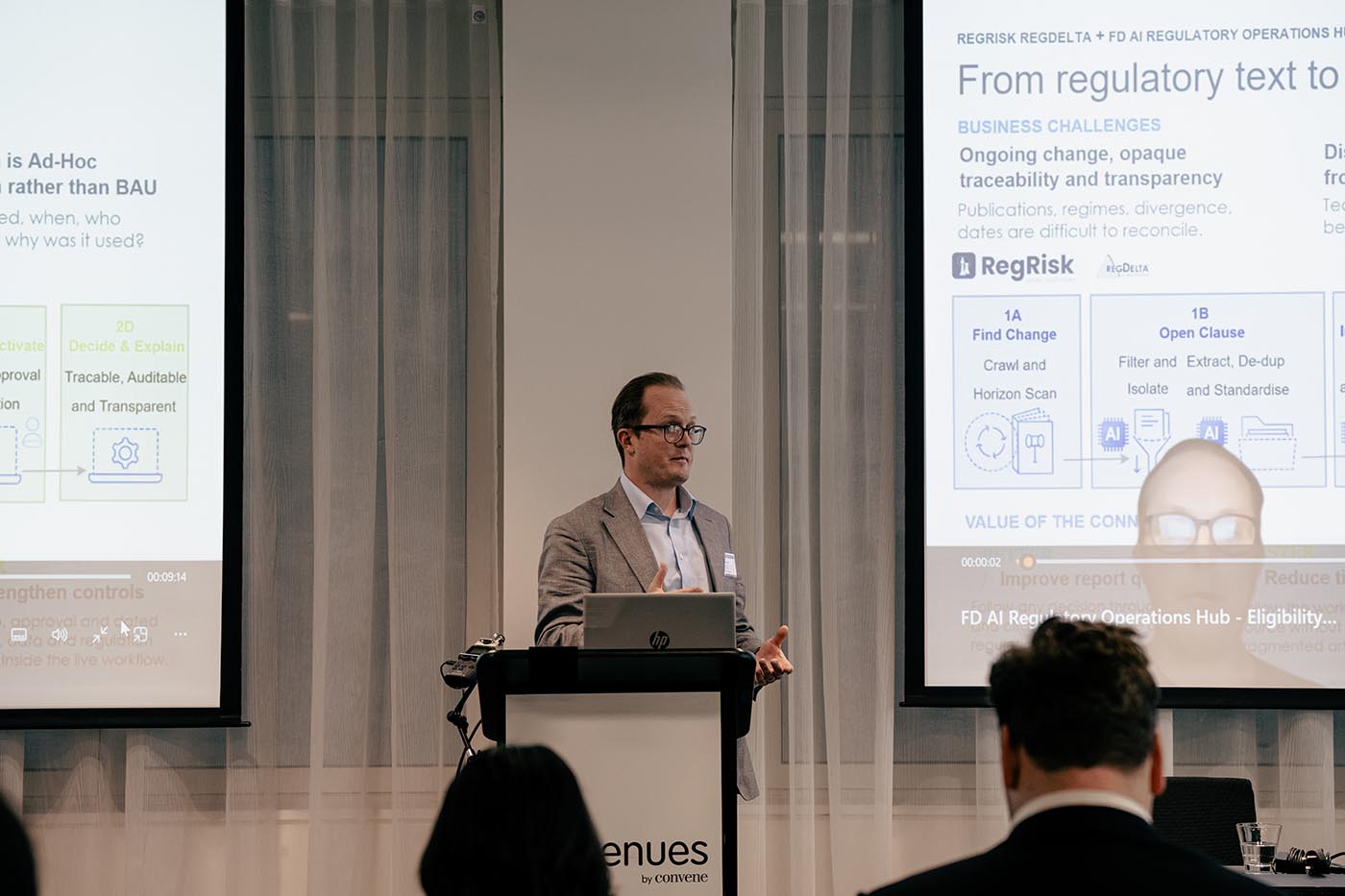
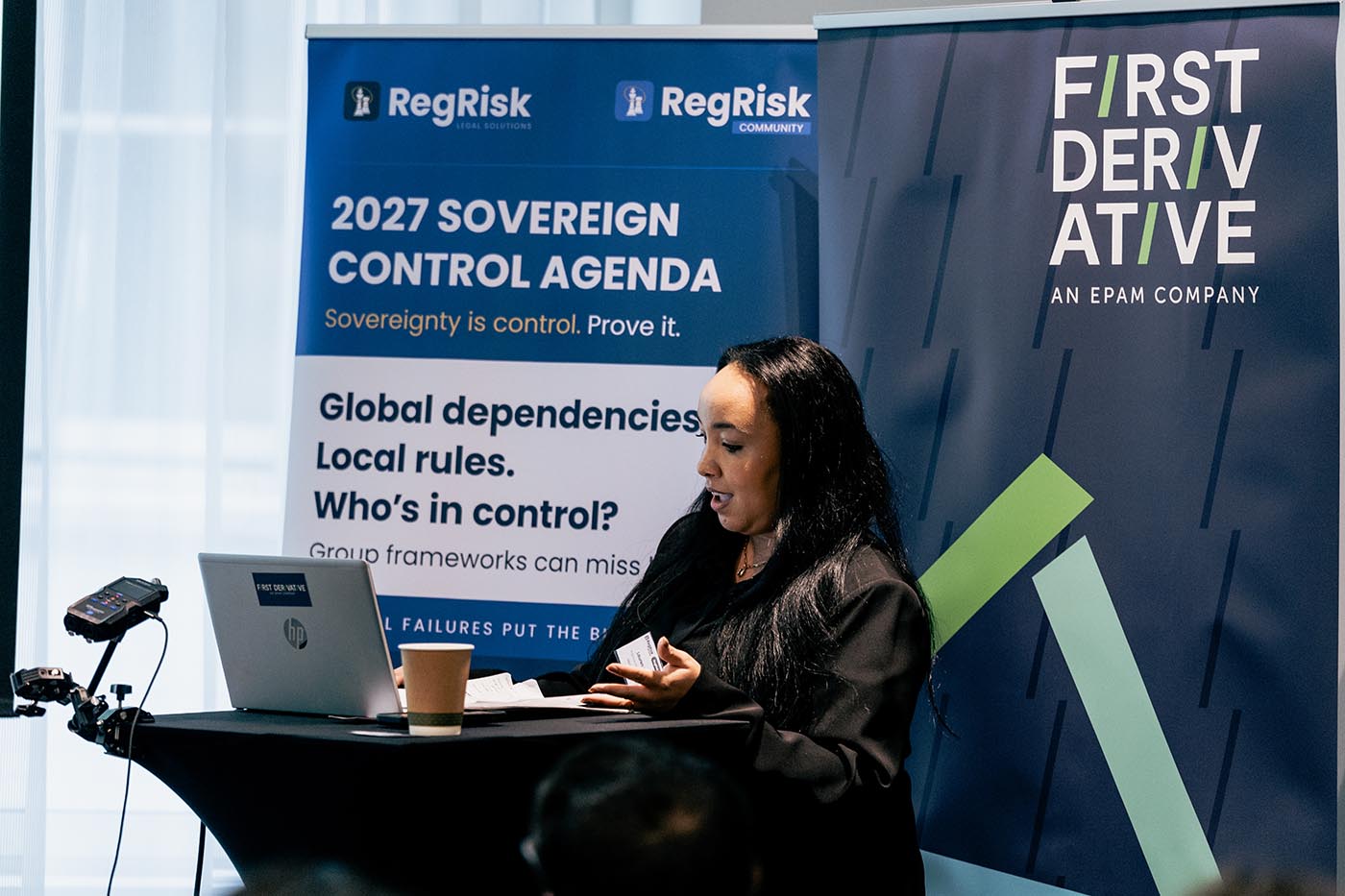
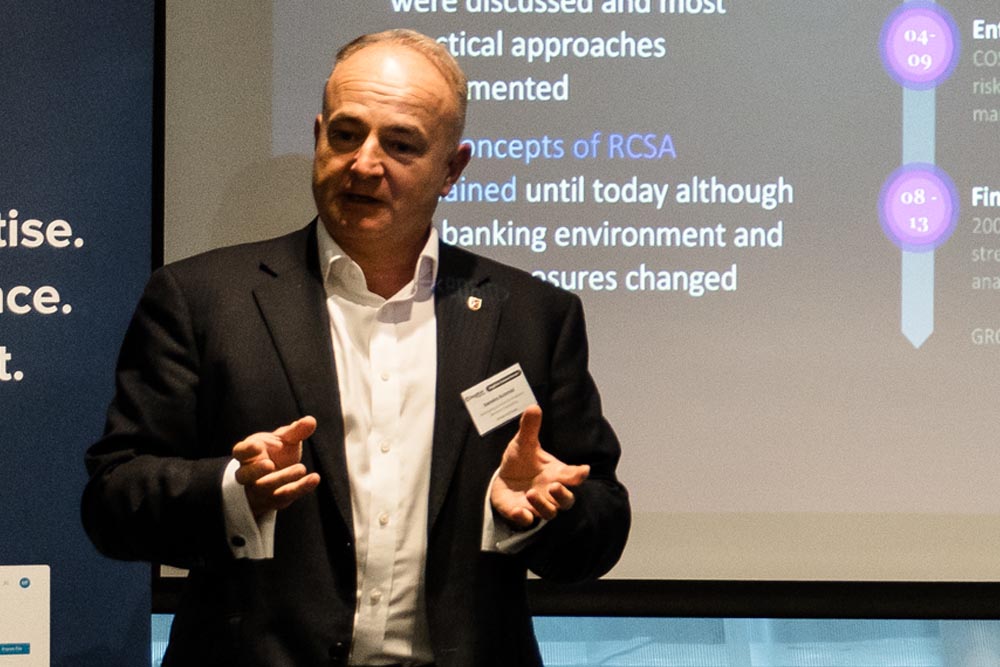
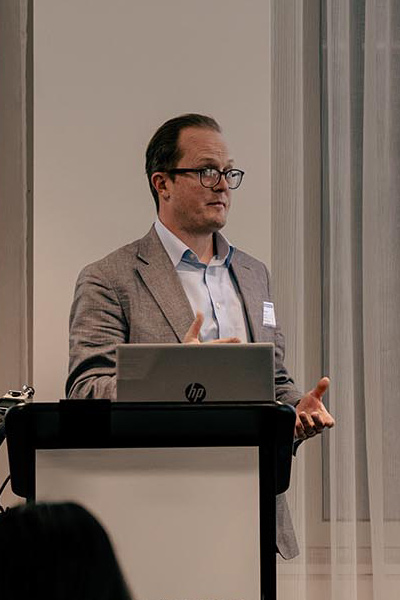
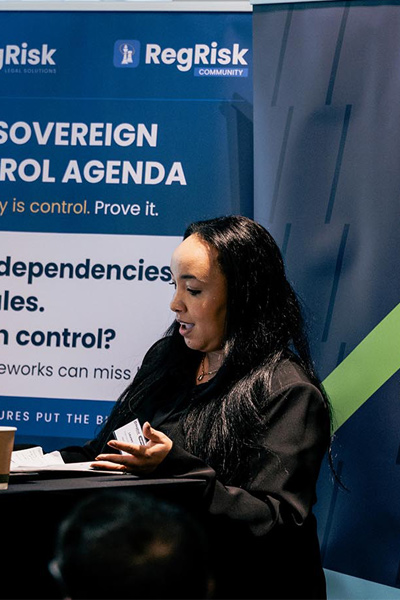
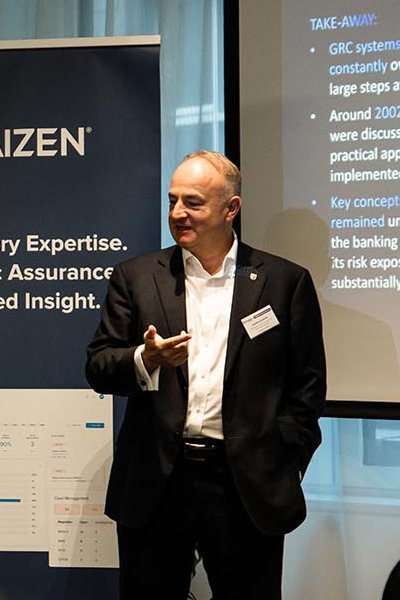

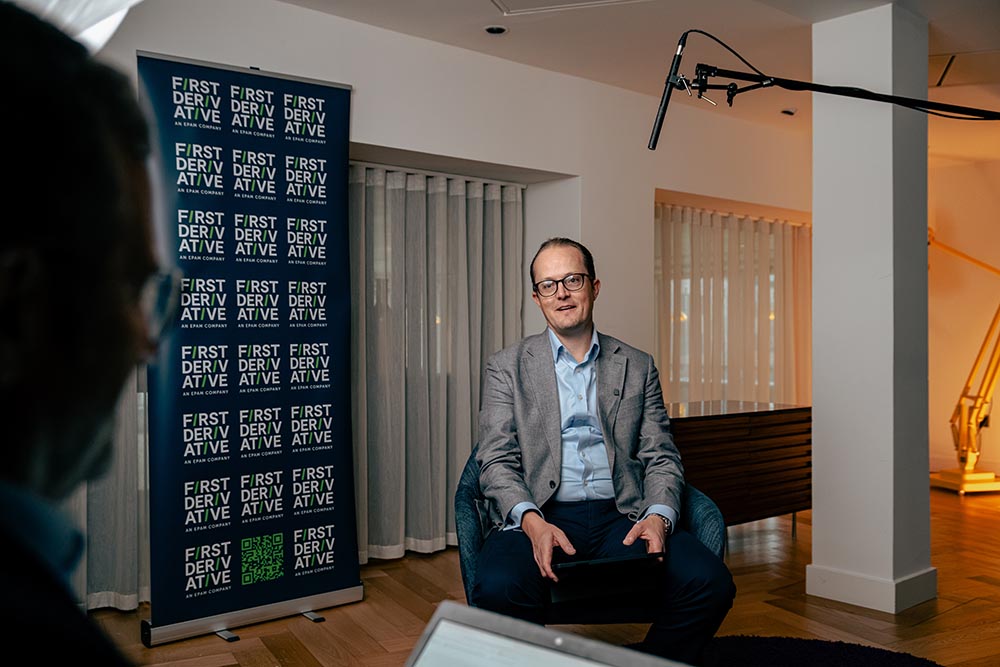
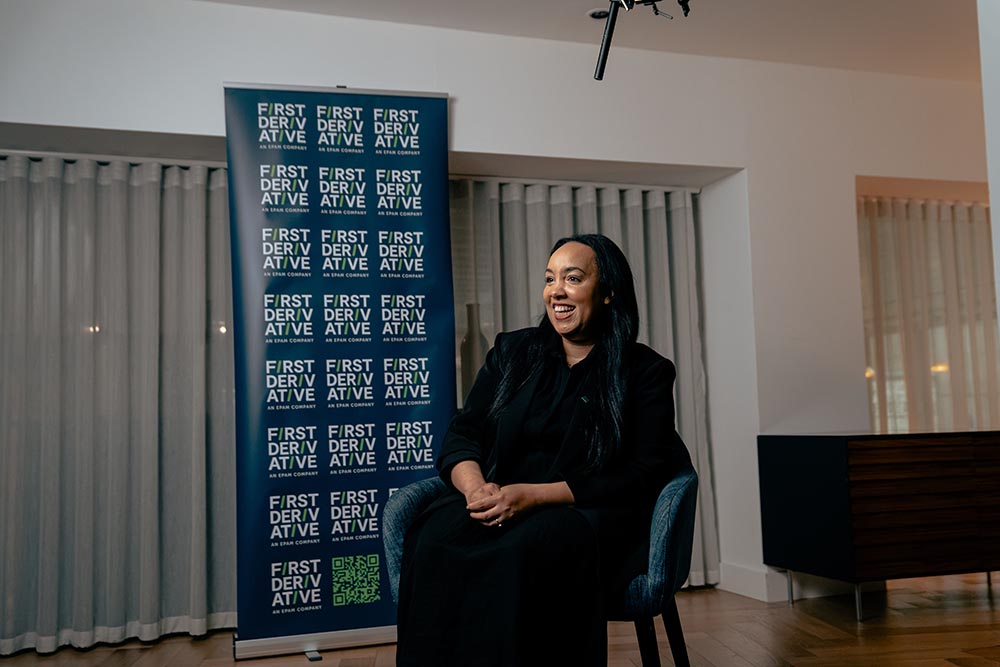
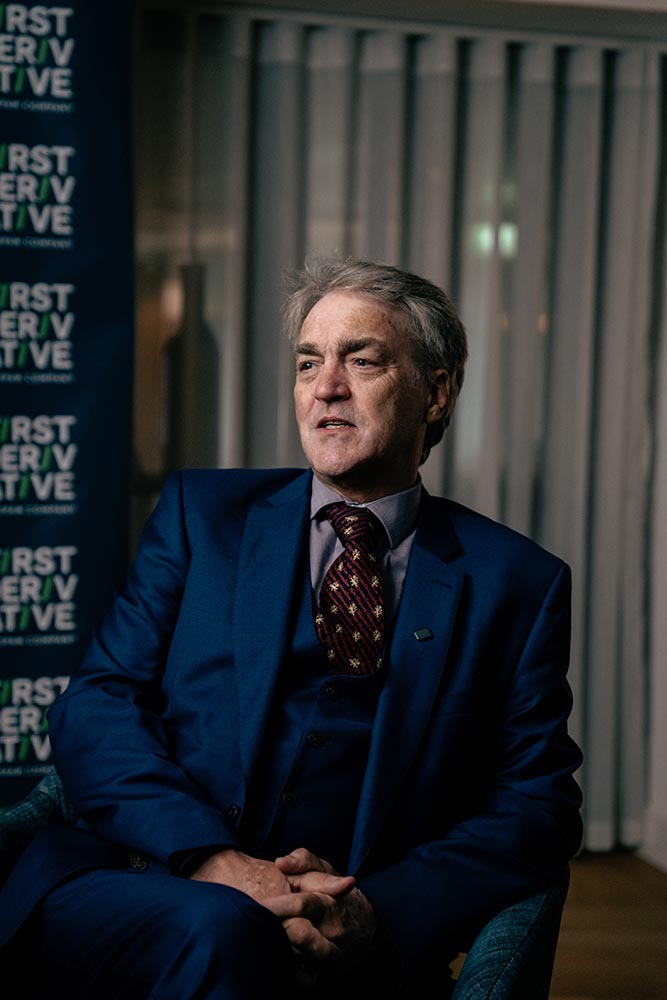
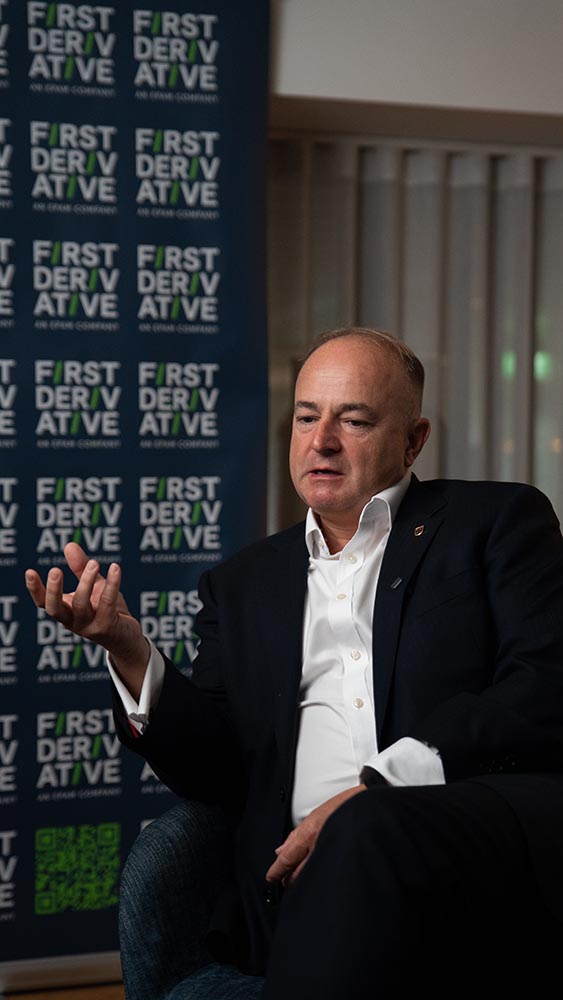
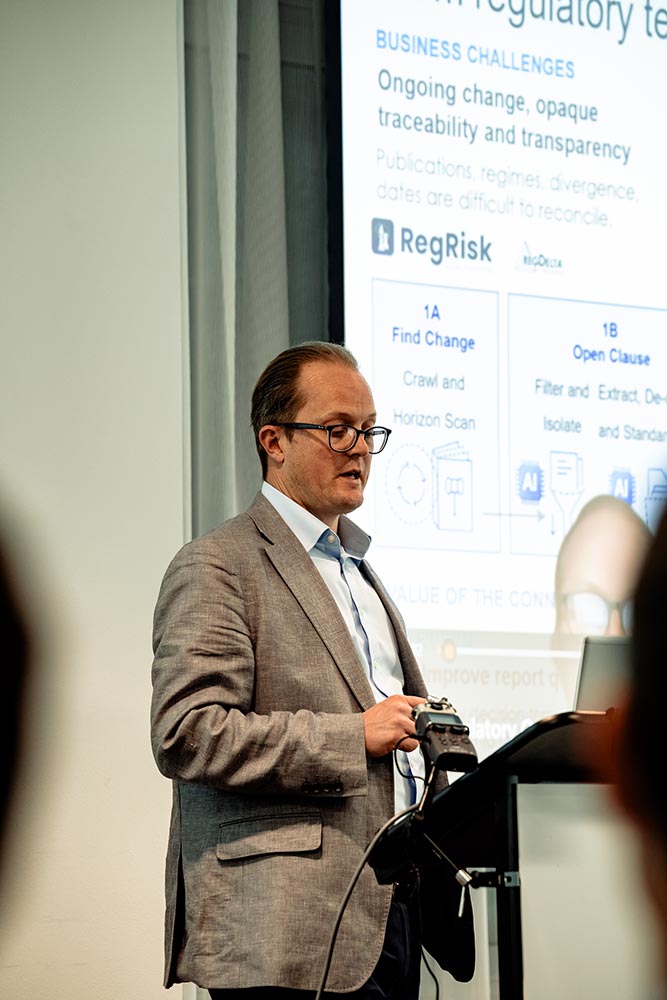
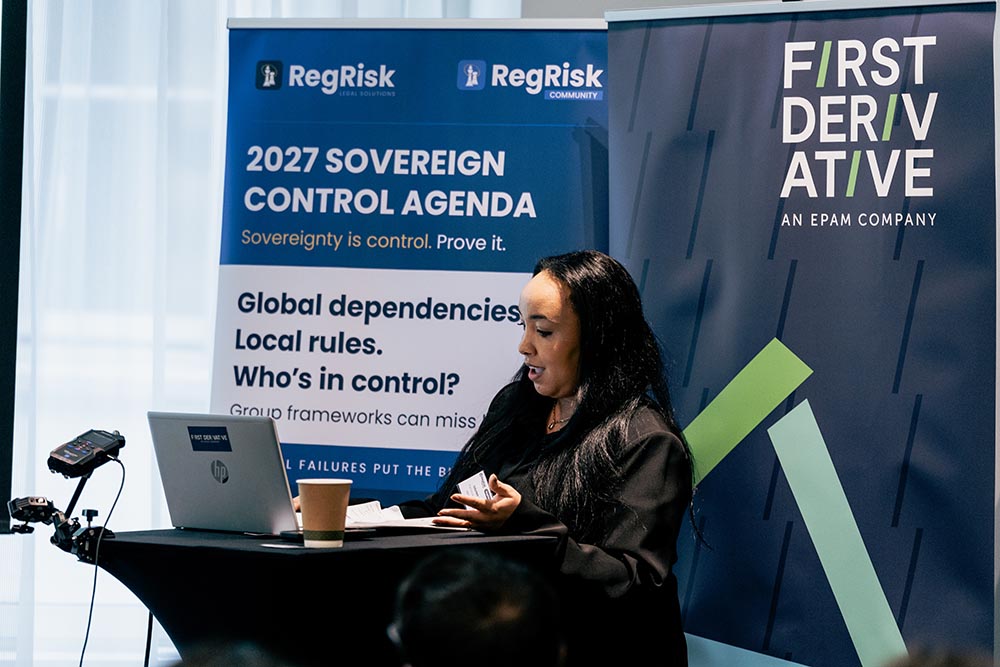
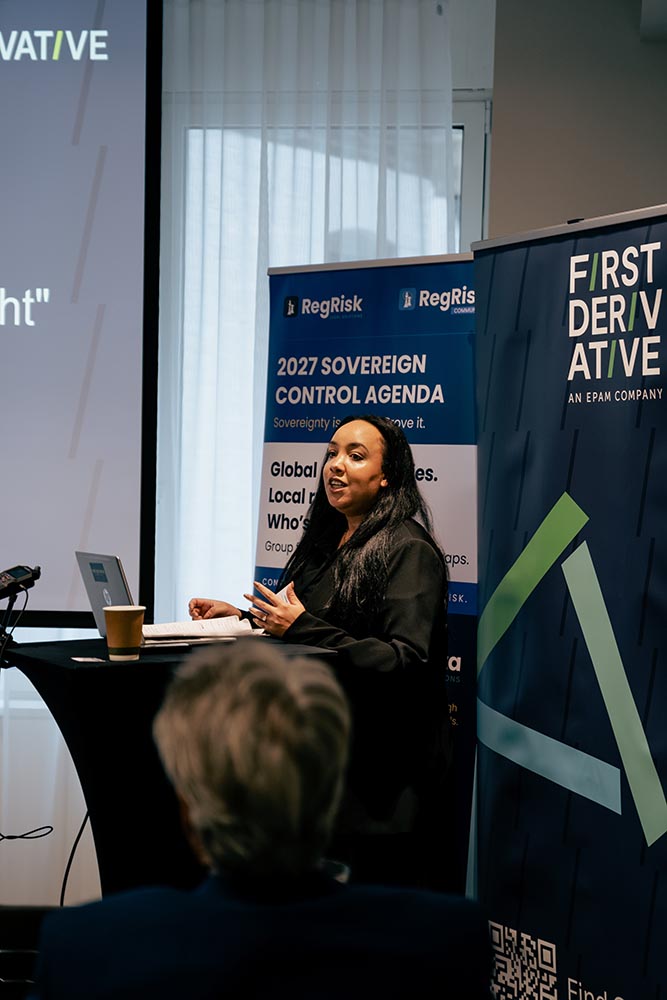
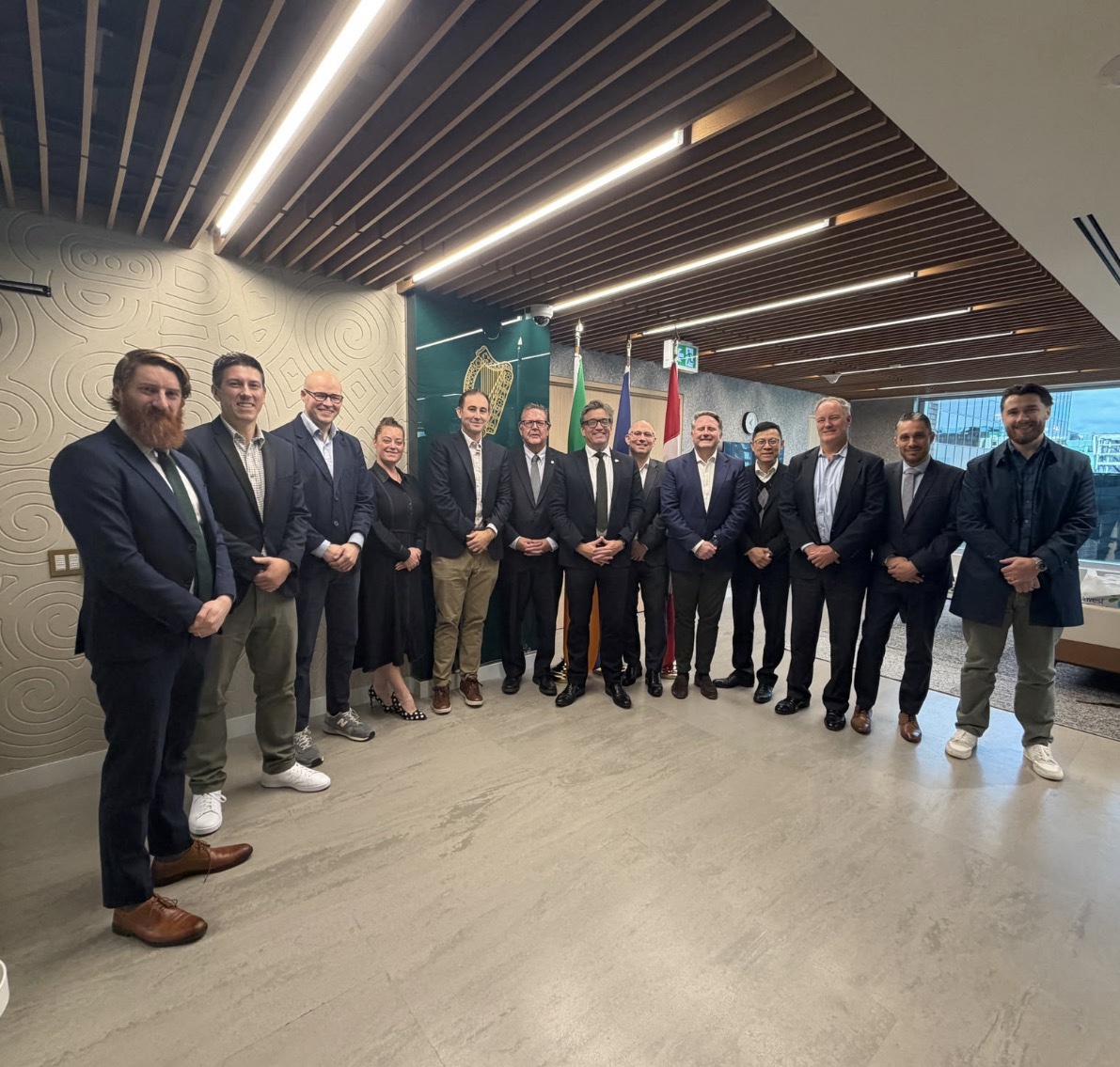
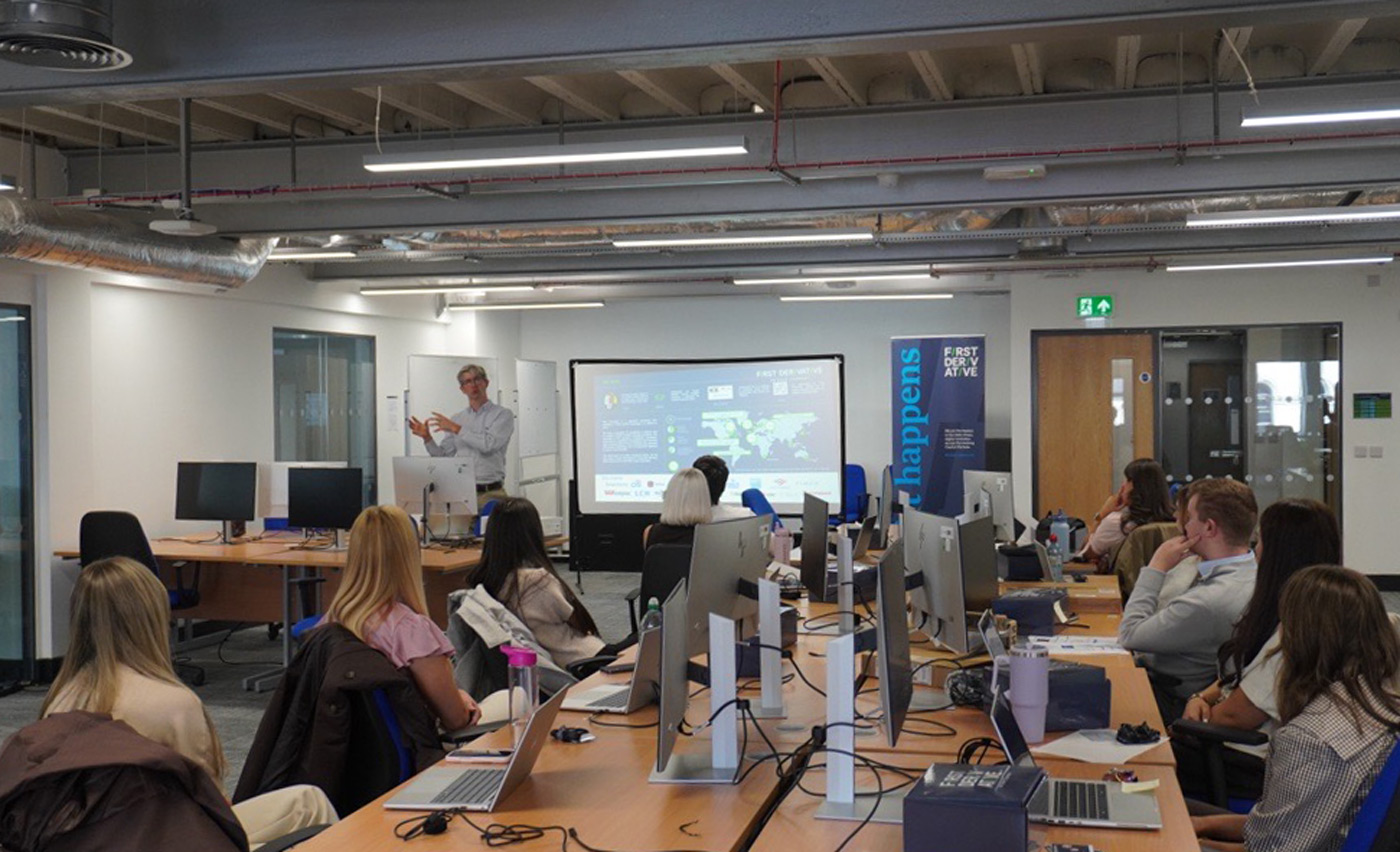
Last week, our team members Grant Haley, Sandro Schmid, Lauren Onyeador, and Michael Nicholls represented us in London at a fantastic week of industry networking and thought leadership. We kicked things off with an exclusive wine-tasting and networking evening at Paradise Green ahead of acting as proud Platinum Sponsors for the RegRisk control forum, where our team also took the stage to share our vision for intelligent, human-centered risk and compliance operations.
Reflecting on the week, both events provided great opportunities to connect with peers, exchange ideas, and explore how advanced technology and deep domain expertise are transforming the financial services and regulatory risk landscape.
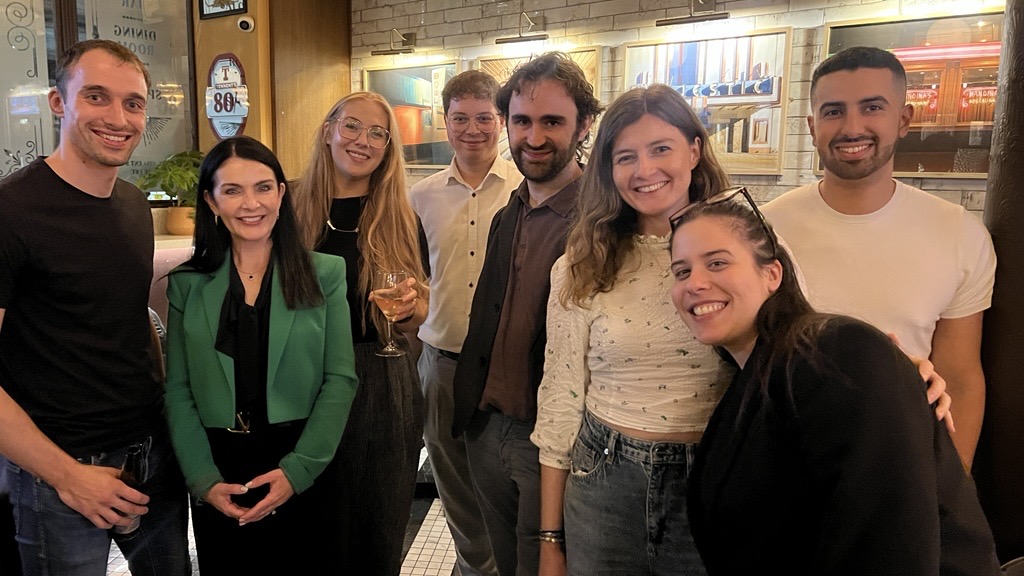
Our pre-forum networking evening at Paradise Green showcased the power of meaningful, personal connections.
Chris Scott from Thirty Fifty Wines delivered an exceptionally engaging and well-received tasting experience that set a relaxed, conversational tone. Our team thoroughly enjoyed the opportunity to dive into rich, in-depth discussions with risk and compliance professionals in a vibrant, welcoming setting.
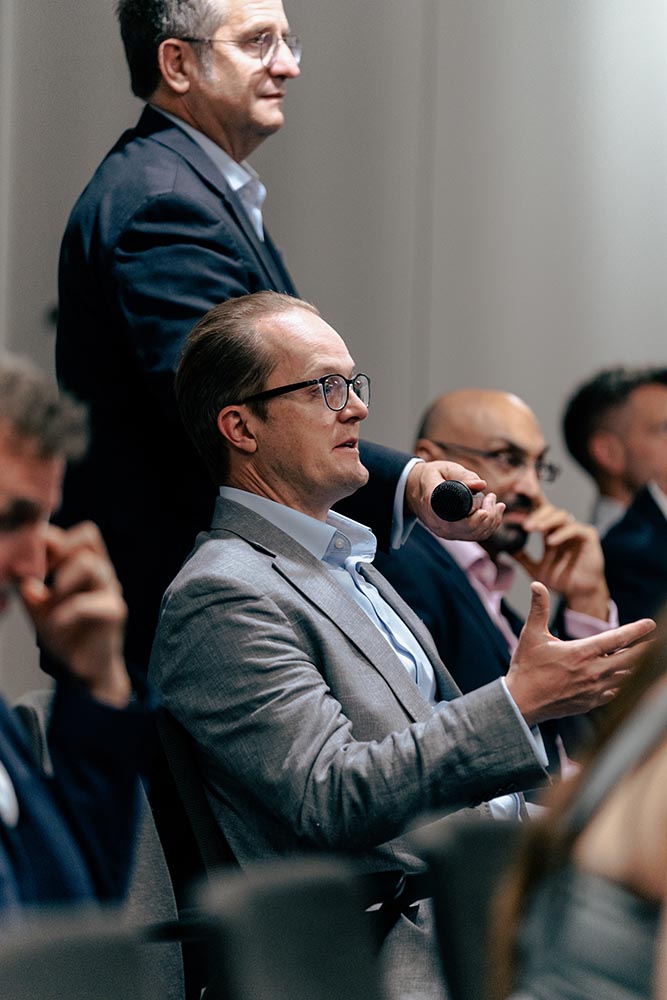
As proud Platinum Sponsors of the RegRisk control forum, we were excited to engage with industry leaders and share our perspectives on how institutions can harness technology without compromising accountability or control. Our team highlighted several key pillars shaping the next generation of risk management:

Lauren Onyeador
In financial crime, AML, and KYC compliance, technology handles the heavy lifting of assembly—gathering documents, resolving corporate ownership, and drafting cited narratives. However, the critical decisions and approvals remain firmly in human hands, backed by immutable audit trails and seamless integration with existing enterprise stacks.
Sandro Schmid
Traditional GRC tools often act as static repositories for periodic assessments. By introducing connected risk intelligence, organizations can look beyond isolated silos to understand how risks, controls, suppliers, and regulatory obligations truly interact—surface emerging systemic and concentration risks before they materialize.

Michael Nicholls
Implementing robust controls requires building policies collaboratively with the business rather than imposing them top-down. By maintaining active AI guardrails and ensuring clear operational accountability, firms can innovate confidently while keeping agents securely within their intended scope.
Grant Haley
Navigating frequent regulatory changes shouldn’t require rebuilding logic from scratch. By linking approved interpretations directly to implemented rules and keeping complete closure evidence attached to every case, reporting leaders can transition from managing issues on mere assurance to proving them on transparent, traceable evidence.
We left London energized by the conversations we had, the robust relationships we reinforced, and the shared excitement around intelligent automation and connected risk management. Thank you to everyone who connected with us, and a special thank you to our hosts and fellow sponsors for making the week such a success. We look forward to continuing the conversation at upcoming forums!
Thanks Grant