We have updated our Privacy Policy, click here for more information.
Thank you





Financial crime leaders are clear about the capabilities they want, they are continuing to invest and they see the potential of AI but they are also dealing with fragmented data, legacy technology, integration challenges and established ways of working. For us, that is what makes this year’s benchmark particularly interesting – The conversation has moved beyond whether financial crime needs to change and is now about how that change actually comes together.
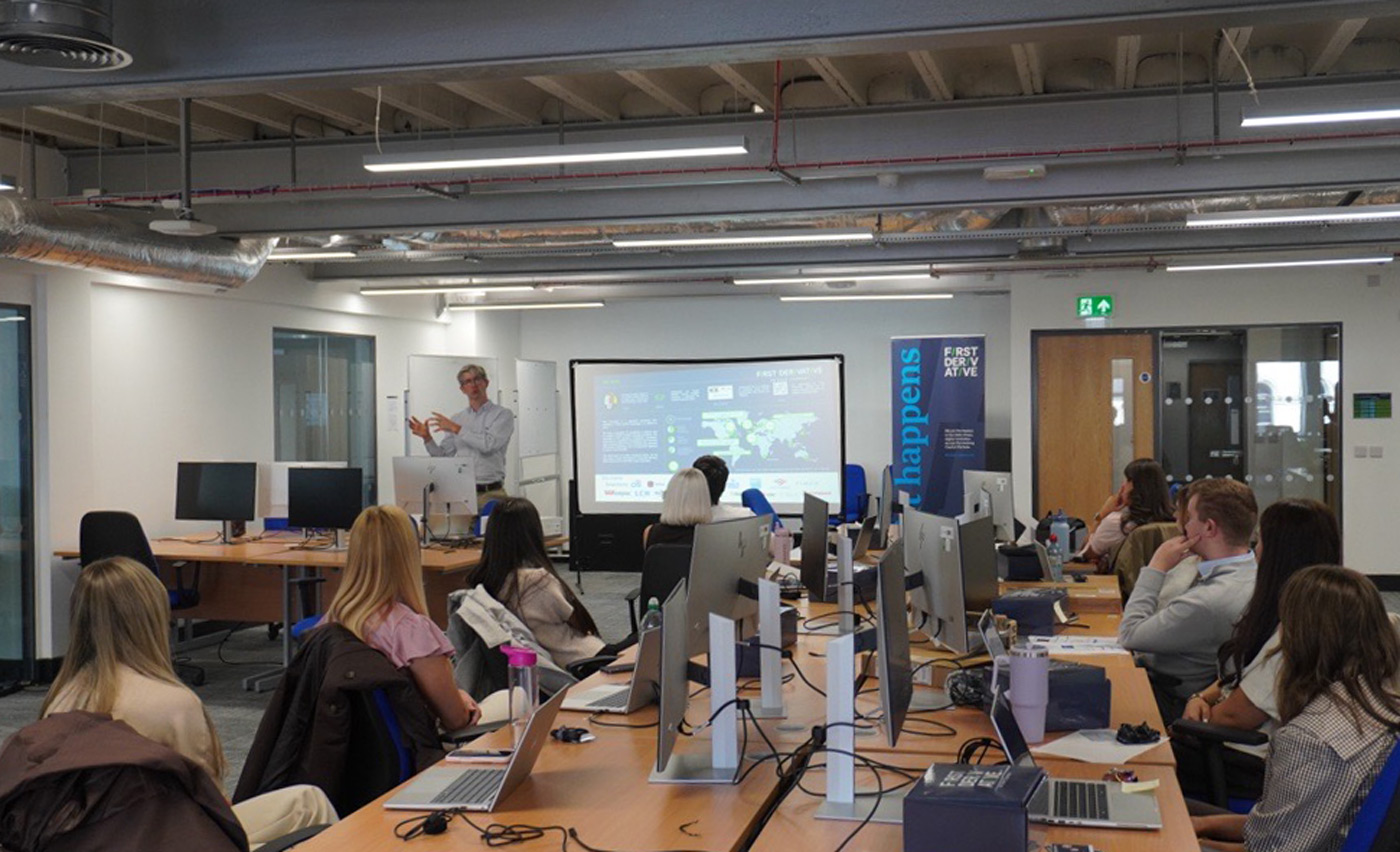
What struck us in both rooms was how little disagreement there was about the results and the numbers were accepted almost without challenge. The conversation quickly moved on to what they mean for the future of financial crime.
There is a clear shift away from thinking about technology as individual point solutions and towards capabilities that can connect customers, identities, relationships, transactions and evidence.
But the gap between ambition and adoption is equally clear. 92% identify data constraints and 85% legacy integration as top barriers to AI adoption.
That was a recurring theme in the conversations we had: the technology is moving quickly but the environment it needs to operate in is often much harder to change.
62% identify data fragmentation or linkage across silos as the single most hindering data issue.
This resonated strongly with what we have already heard from clients – the challenge is not simply whether firms have enough data but whether the right information can be connected and brought together when a financial crime decision needs to be made. Fragmented data also tends to sit alongside fragmented process, which is why one of the comments captured in the report stuck with us: before applying AI, step back and reconsider the process itself. Automation laid over an unreformed workflow tends to speed the workflow up rather than improve it.
60% plan sustained or increased investment in CDD over the next two years with Transaction monitoring attracting the most targeted increases of any function. At the same time, only 23% are fully satisfied with their CDD, EDD and client lifecycle technology today.
Firms are investing in exactly the places where satisfaction is lowest which is what you would expect. However it’s acknowledged this is often with technology estates that have evolved over years and are not always easy to integrate.
63% of function-level responses expect no change in headcount over the next twelve months, 24% expect a decrease and only 13% an increase.
The report suggests that the bigger change may therefore be in the composition of financial crime teams rather than their overall size. That feels like an important part of the wider technology conversation. AI is not simply about doing more with fewer people. It is also changing where human judgement sits, what teams spend their time on and what capabilities they need.
The report also flags the risk that came up in both discussions: if capacity is removed before the replacement technology and redesigned process are ready, the control has been thinned rather than transformed.
Across the survey, there is a consistent tension between ambition and readiness. Financial crime leaders are clear about the capabilities they want. They are continuing to invest. They see the potential of AI. But they are also dealing with fragmented data, legacy technology, integration challenges and established ways of working. For us, that is what makes this year’s benchmark particularly interesting. The conversation has moved beyond whether financial crime needs to change. It is increasingly about how that change actually comes together.
The survey gives us plenty to think about — and we will be exploring some of those themes in more detail in our upcoming insights on what the findings mean for the future of financial crime.
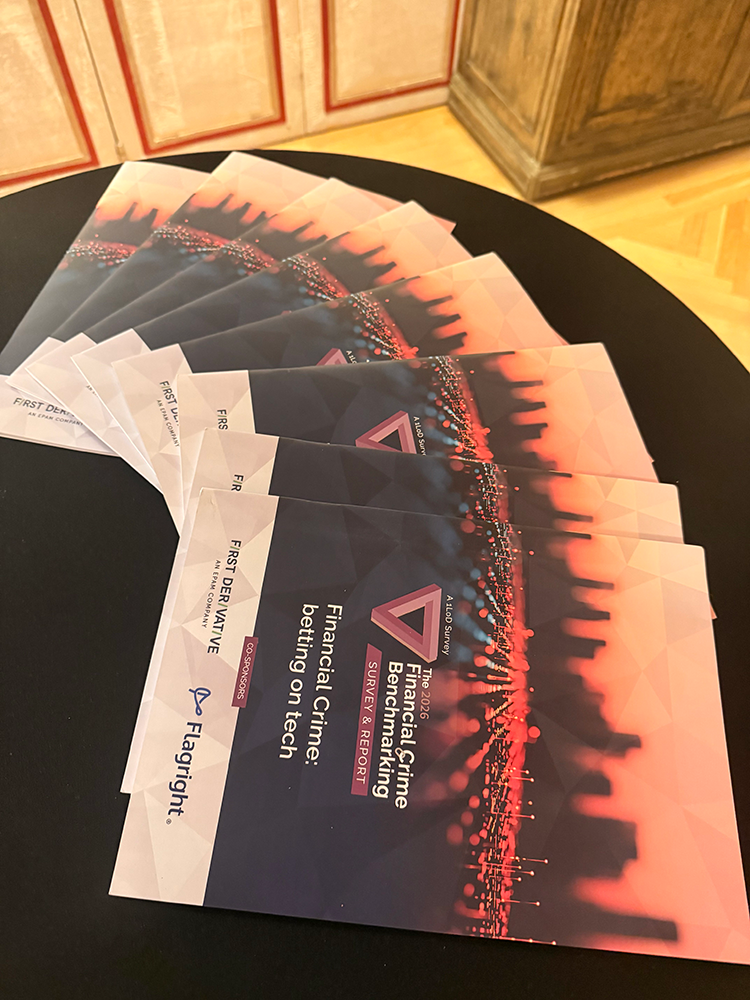
Want to explore the findings in more detail? Download the full 1LoD 2026 Financial Crime Benchmarking Survey & Report.
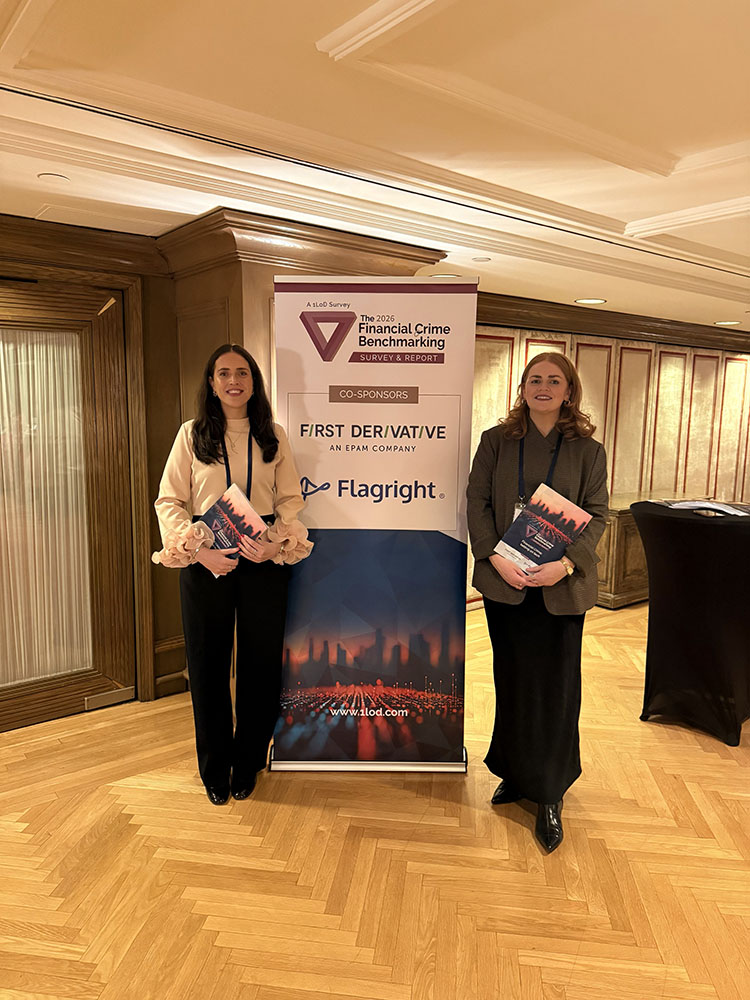
Thank you to everyone who joined us in London and New York and contributed to the discussion.
Thanks
Nicola and Kate