We have updated our Privacy Policy, click here for more information.
Thank you


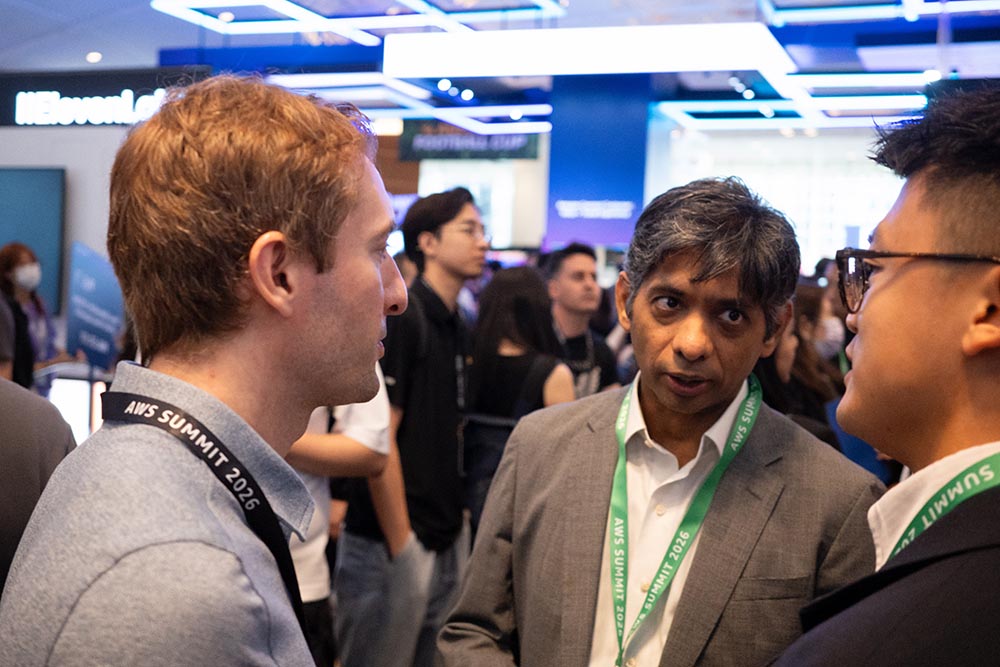
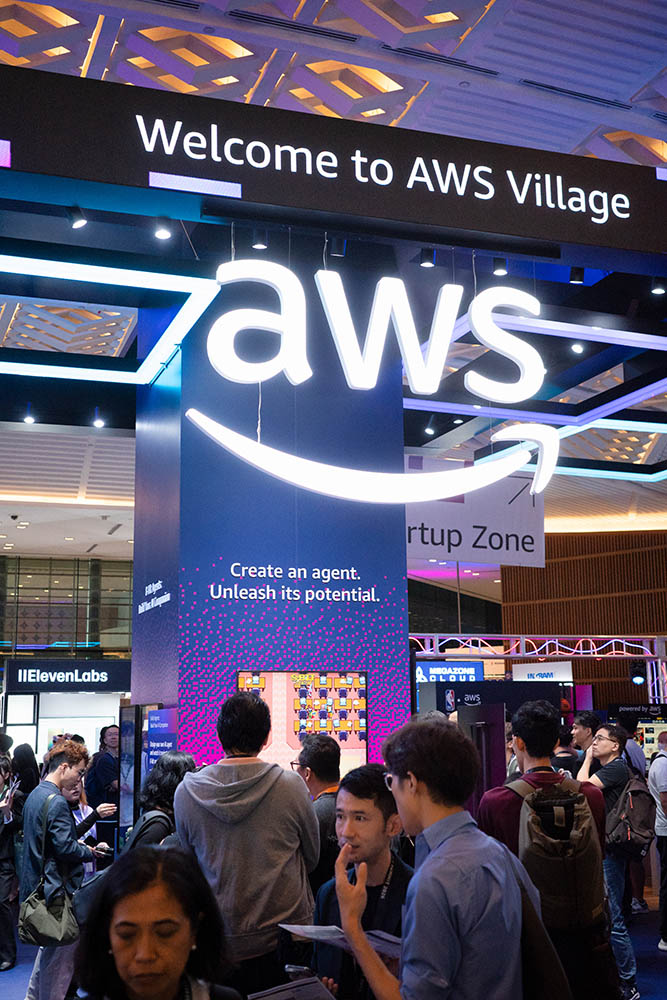
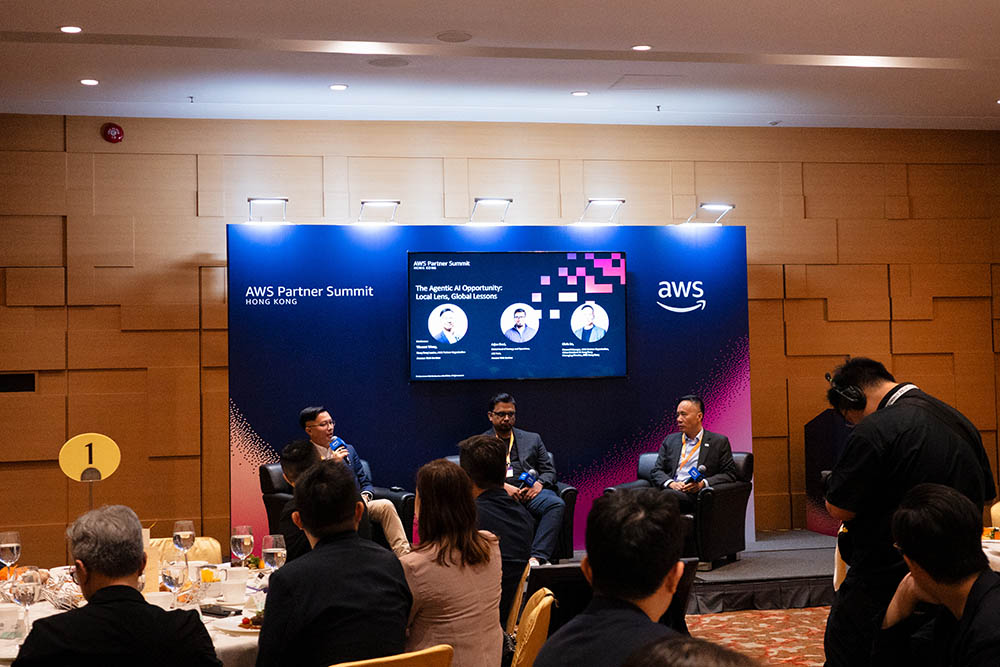
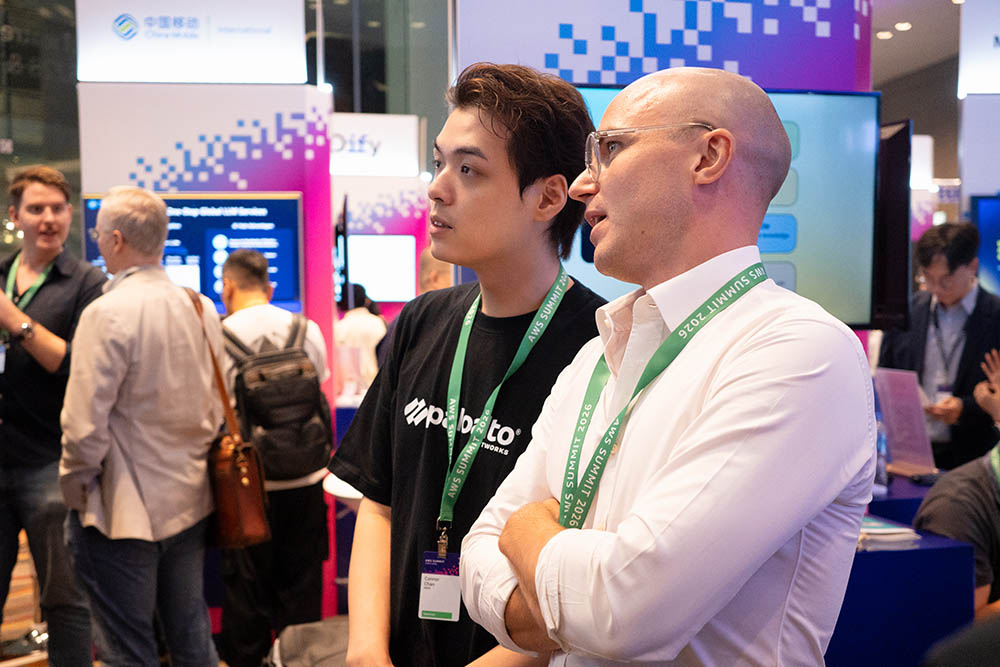
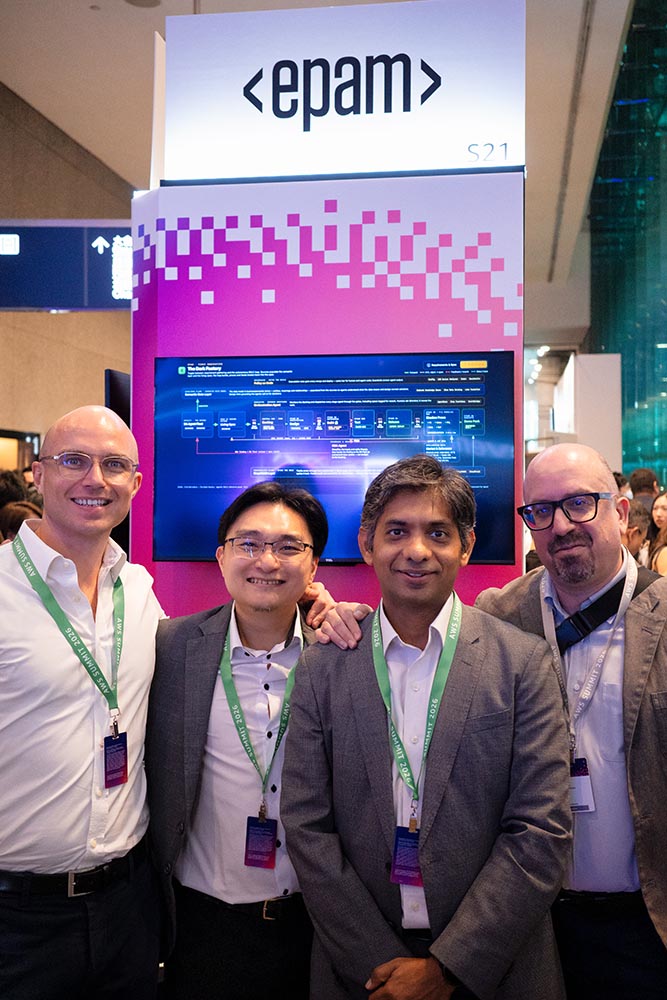
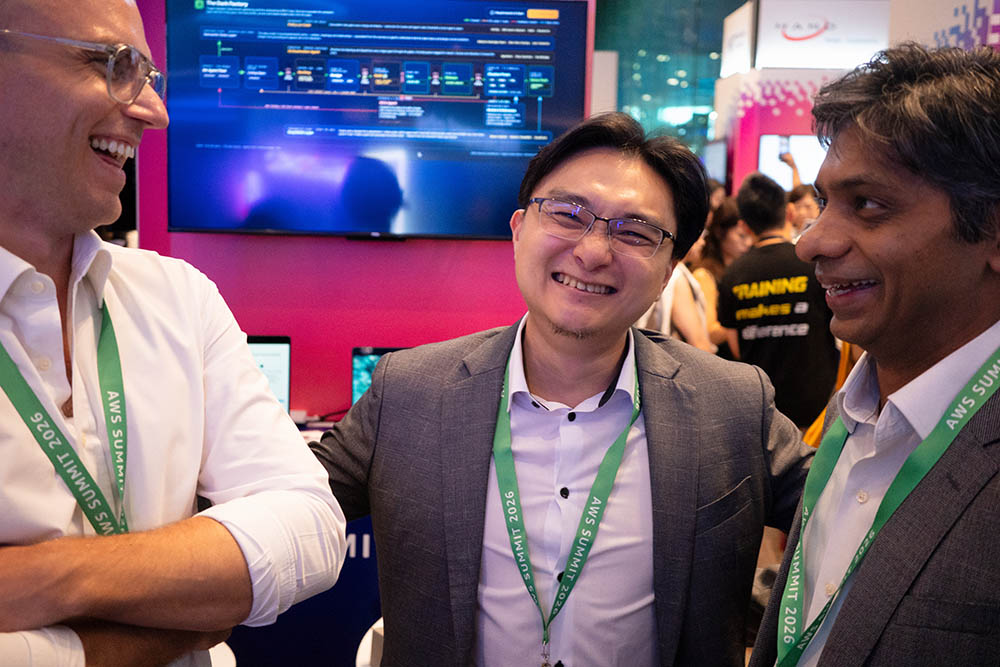
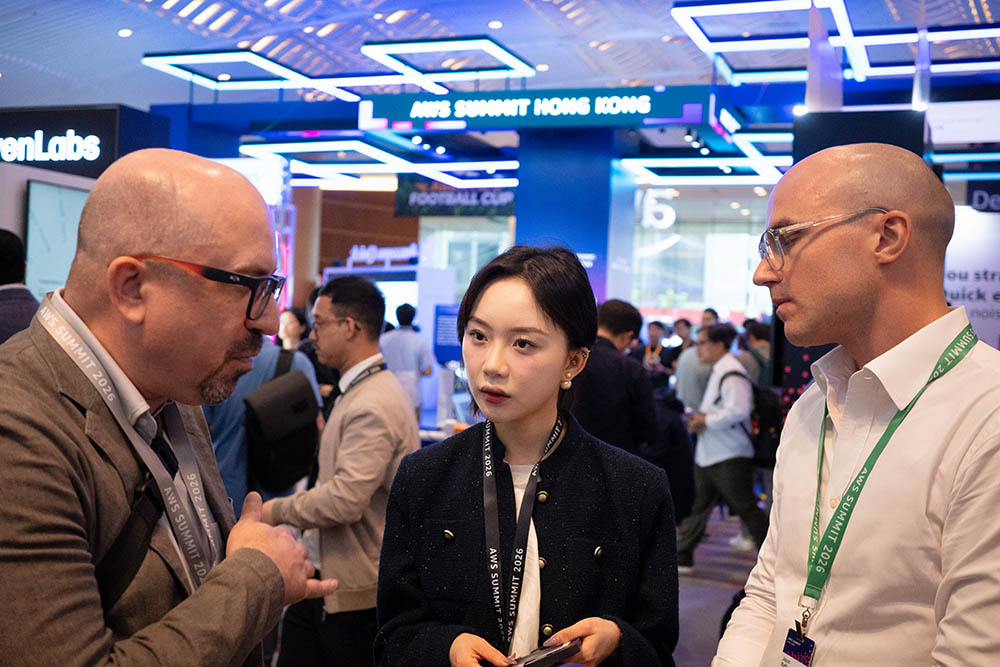
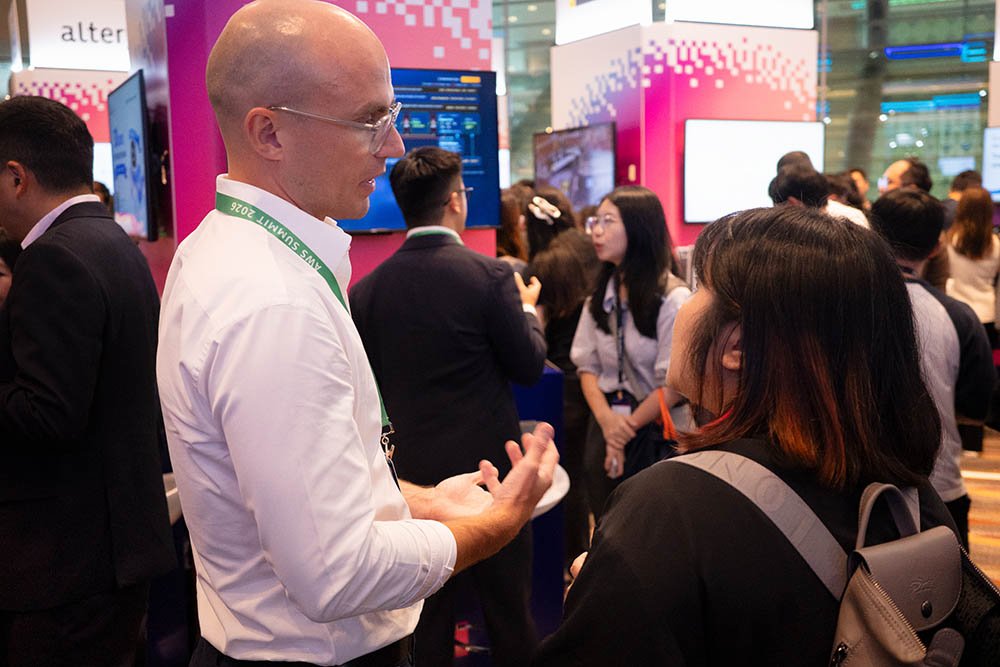
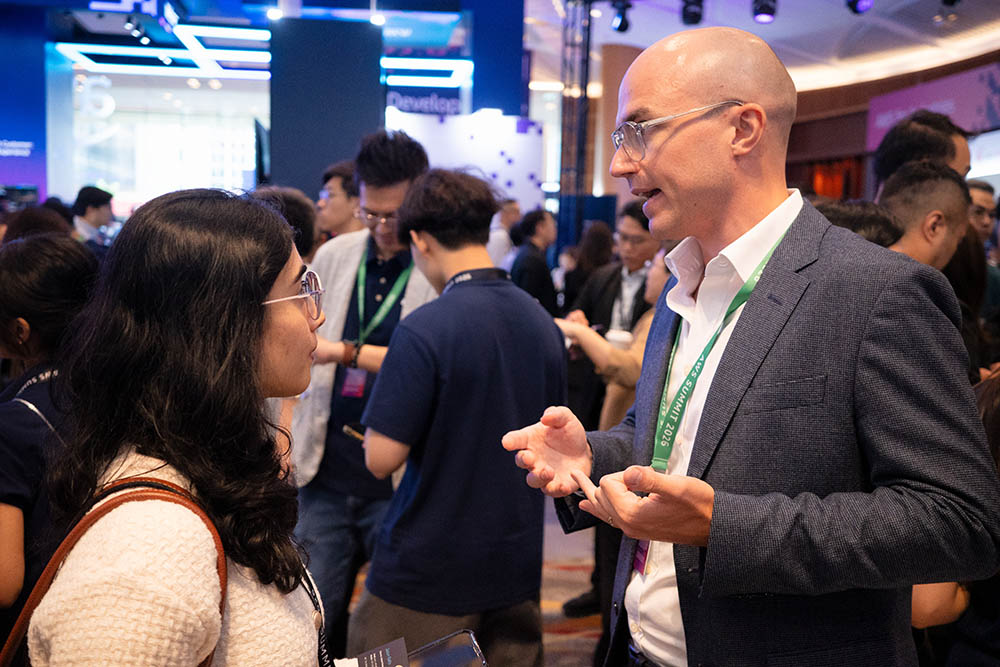
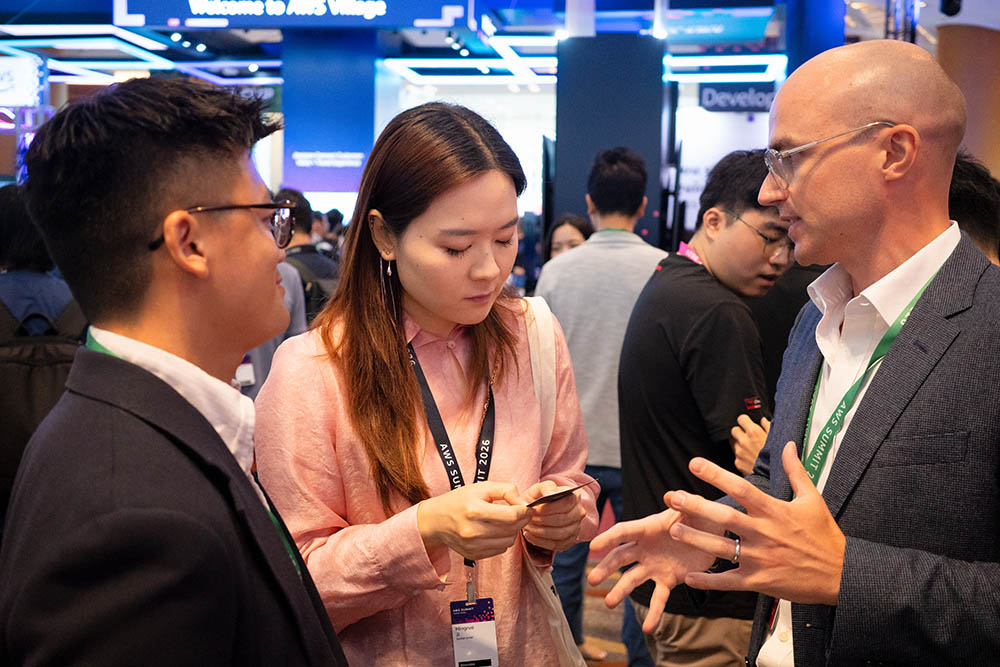
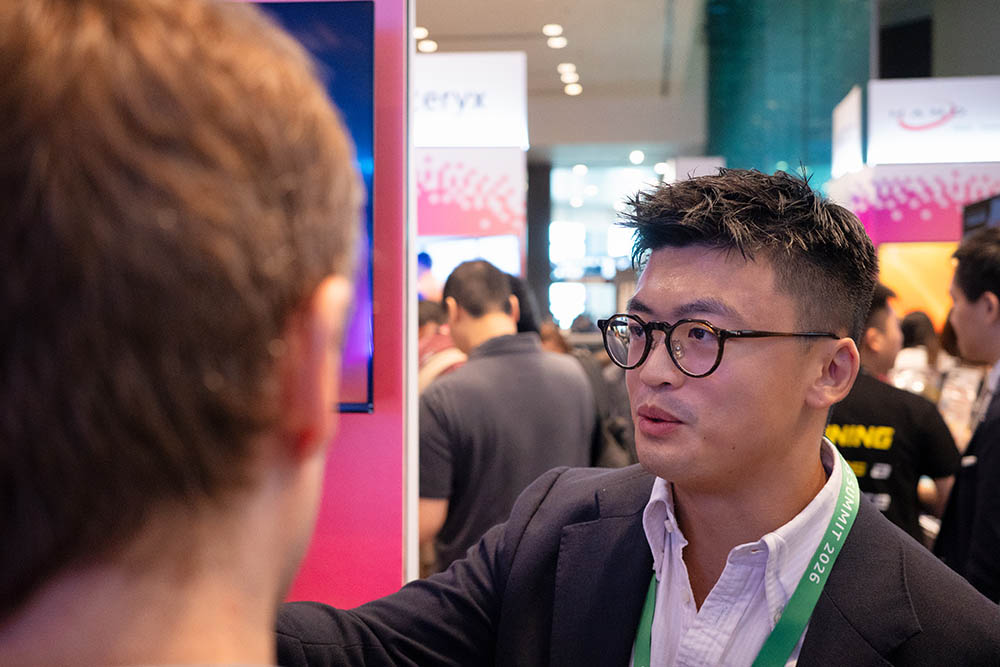
Few technologies have moved as quickly, or provoked as much debate, as artificial intelligence, and there are few better places to take its temperature than a summit of this scale. We began the day early at the Hong Kong Convention and Exhibition Centre, with Rafael Lum, Vipul Singhal and myself on the stand and speaking to attendees well before the opening keynote. By the close, more than 5,000 people had passed through, and the conversations we had over those hours told a consistent and encouraging story: the questions our clients are asking about AI have matured a great deal.
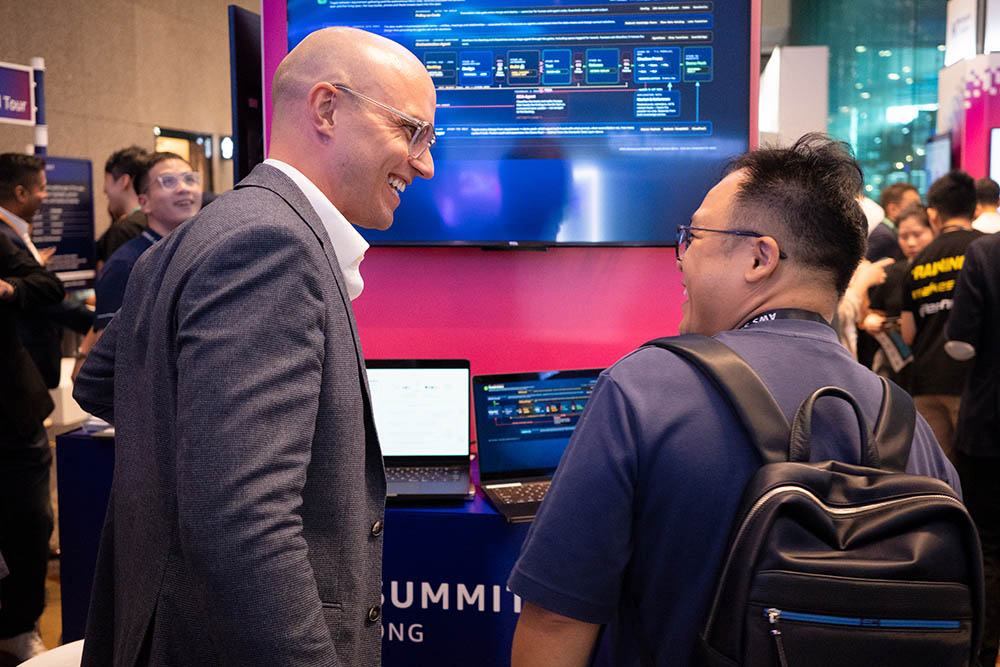
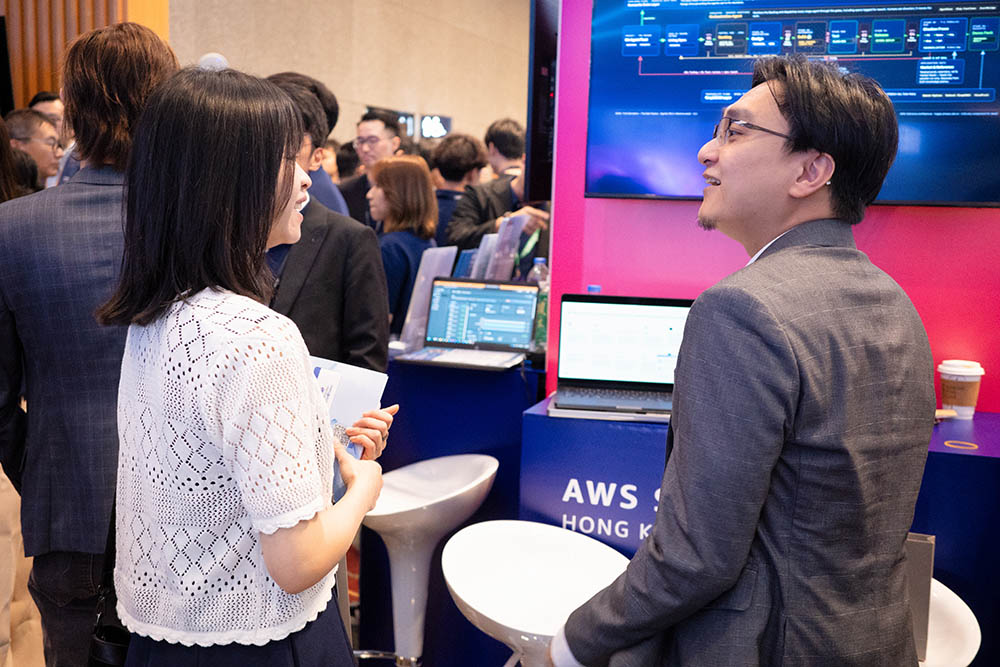
A good deal of the interest centred on our work in the software development lifecycle, which we refer to as the Dark Factory. The interactive demonstration we were running drew a steady audience throughout the day, illustrating how horizontally scalable fleets of agents, spanning developers, business analysts, architects and quality assurance, can operate together as a single delivery team. What resonated was less the novelty of the technology than the practical question behind it, namely what a genuinely AI-led delivery capability looks like in practice, and how far it can be scaled within an organisation.
In parallel, we spoke at length about how large language models can be applied to capital market business functions across the trade lifecycle. Broadly, those opportunities fall into three categories. The first is cost reduction, achieved by deploying agentic solutions to automate the repeatable, time-consuming processes that absorb so much operational effort. The second is revenue generation, through the ability to derive genuine commercial insight from the considerable volumes of unstructured data that most institutions hold but rarely put to use. The third is improved regulatory compliance, supported by copilots that assist compliance and regulatory reporting teams in their daily work. Almost every substantive discussion we had returned to one of these three themes.
We also ran live demonstrations of an AI-enabled trading assistant, which offered attendees a tangible view of what the future of post-trade operations may hold, and a sense of how quickly that future is approaching.
If there was a single thread running through the day, it was pace. Artificial intelligence is advancing at a speed that few organisations can comfortably match, and our clients are no exception. They do not have the luxury of trialing and discarding solutions, because they have businesses to run. It is precisely for that reason that they increasingly look to AI-native partners such as First Derivative, an EPAM Company, to accelerate their own learning and adoption; our experience across geographies and industries allows us to shorten that journey considerably, and it is work we are genuinely glad to be doing.
The Summit also drew a large number of students, and several of those conversations were more candid about the apprehension that surrounds this technology. The disruptive nature of AI will, in time, touch almost every aspect of how we live and work, and it would be disingenuous to suggest otherwise. Yet the prevailing mood, among the students as much as among us, was one of optimism rather than anxiety.
In the afternoon we were joined by FB2 Balazs Fejes, our Head of APAC Business. The presence of senior leadership at events of this kind matters a great deal, and it matters all the more when that leadership genuinely understands the nuances of AI and what effective adoption demands of our clients. It reflects a commitment we take seriously throughout the organisation: we are driving AI adoption at every level of the company, through the certification of our people and through sustained internal training and upskilling. It is that combination, a practical command of the technology alongside a firm-wide commitment to being AI-native, that leaves me so optimistic about what comes next.
Thanks
Jason