We have updated our Privacy Policy, click here for more information.
Thank you





It’s ironic that the best way to learn about AI is still by talking to other humans.
Despite the sophistication of the technology, capability grows fastest when people share ideas, compare approaches, and learn from each other’s experiences. Creating intentional spaces for these conversations is one of the most powerful ways organisations can accelerate AI upskilling.
So, the most effective learning solution isn’t simply more tools or self‑guided courses – it’s learning from each other. Peer learning is becoming critically important in this new era of AI because when we openly share our skills and insights, confidence grows, hesitation fades, and curiosity takes over!
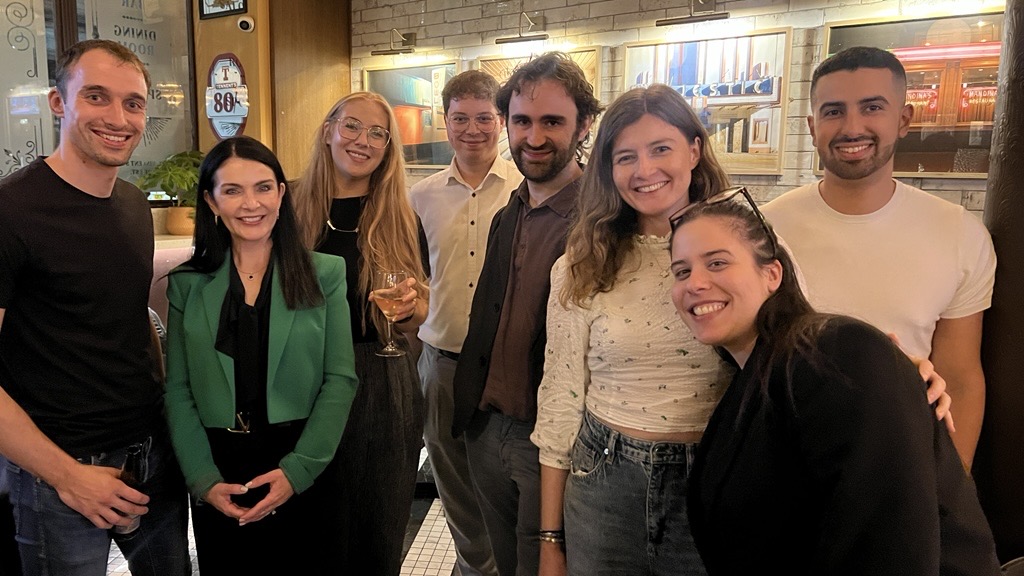
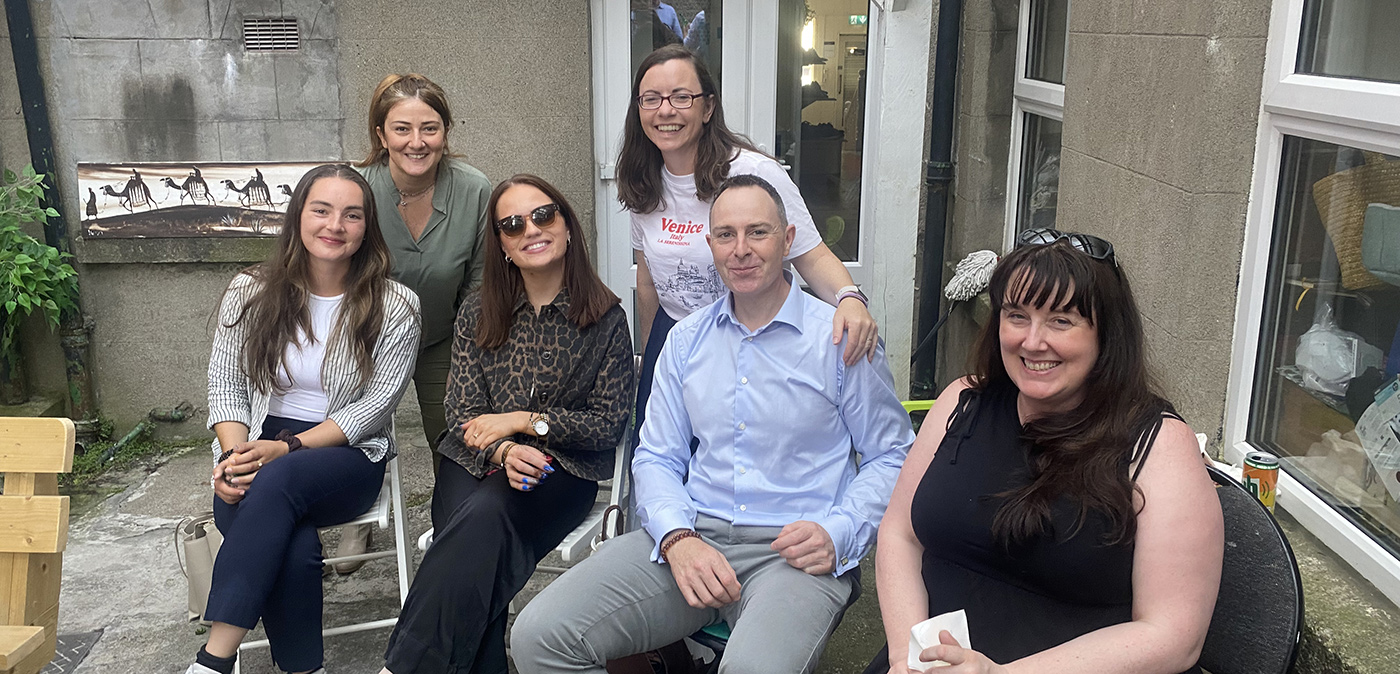
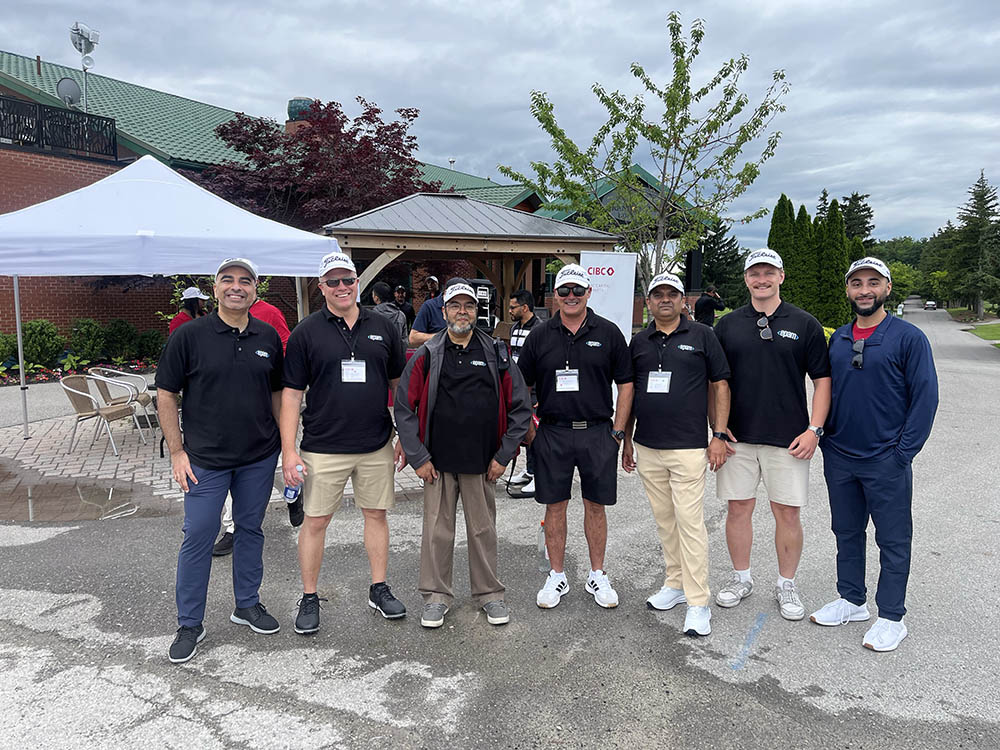
At FD, knowledge sharing has long been part of our learning culture. We deeply appreciate the people who continue to help others grow through real human conversations – people like Pramith Attale, Mark Barr, Paul Kelly, Sarah Coyle, Guan Yu Lim, Anna Maison, Gavin Magennis, Michael McAlinden, and Chirantan Mukherji. Their contributions remind us that even in an age of rapidly evolving AI technology, human connection may remain the strongest accelerator of learning.
Louise
Louise O’Hare
Louise is spot on. Models, tools, and techniques change by the month. But the conversations between people are what create lasting capability. I see this every week in our client work across capital markets.
We work with some of the world’s largest financial institutions, helping engineering teams adopt AI in regulated environments where governance matters and data classification isn’t optional. Every new tool has to earn its place alongside existing compliance frameworks. What I’ve learned is that the technology is rarely the bottleneck. It’s confidence. The teams that move fastest are the ones where someone sitting beside you has already tried it, shared what worked, and brought their colleagues along.
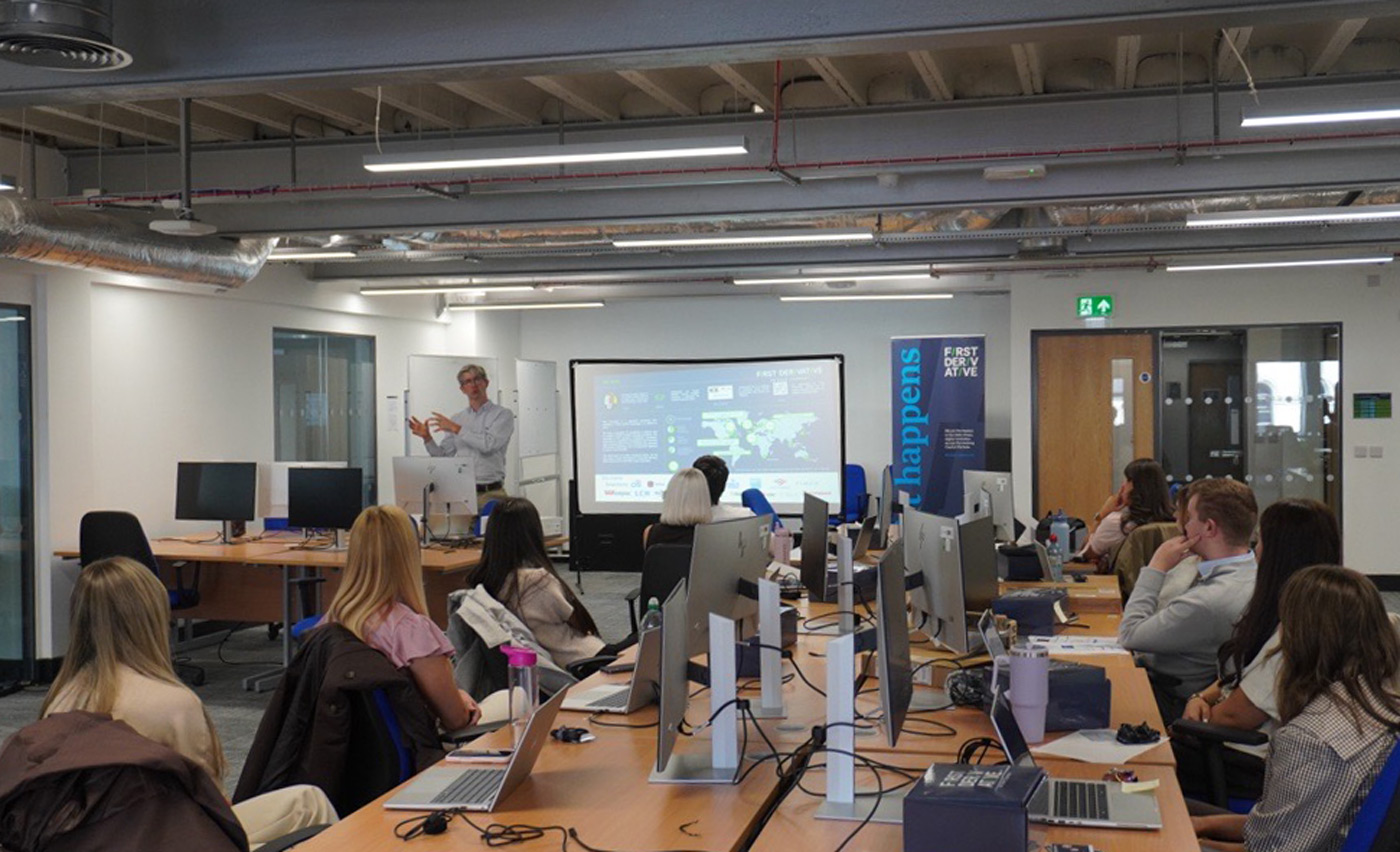
That’s why we launched the AI Talk Series internally. It started with practitioners sharing real experiences of applying AI on client sites. An engineer showing how they integrated AI into a core trading platform. A project manager explaining how they embedded AI into PMO governance. A colleague walking through responsible use of AI, and why ethics and governance need to be built in from the start, not bolted on later. These weren’t polished demos. They were honest, practical stories from people doing the work. Seven episodes in, the impact has been clear. Not because of any single tool, but because each session gave someone else the confidence to start.
Jason Raffo
Working closely with EPAM has been central to this. Their AI platforms, training paths, and maturity frameworks give us the scaffolding. Our people bring it to life in a capital markets context. We’ve combined formal certification programmes with our own peer-led sessions to build a learning model that works at every level. Someone writing their first AI-assisted prompt. An engineer designing multi-agent systems for front-office workflows. The AI Champions coming out of our delivery teams show what happens when you pair structured training with a culture of sharing.
What I find most encouraging is that this isn’t limited to engineers. Business analysts, project managers, compliance specialists, they’re all finding ways to apply AI to their work and sharing those discoveries with each other. In regulated industries, that cross-functional confidence matters. When a BA shows a risk analyst how they used AI to speed up requirements gathering, or a PMO lead walks through AI-assisted reporting, it breaks down the assumption that AI is only for developers. That shift in mindset is where things really start to change.
Louise talks about curiosity taking over. I couldn’t agree more. The best client conversations I have now don’t start with “show us what AI can do.” They start with “here’s what our team tried last week.” That’s when you know peer learning has taken hold. And when it does, it changes the direction of entire programmes.
Jason