We have updated our Privacy Policy, click here for more information.
Thank you



Published: April 2, 2026

The Project Management Office (PMO) has always been the backbone of complex projects in financial services, ensuring initiatives are delivered on time, on budget, and in line with organisational priorities. With AI increasingly entering the workplace, some think PMOs may no longer be relevant. In reality, AI is not replacing PMOs, it’s giving them new tools to work smarter, make better decisions, and focus on what humans do best: strategy, oversight, and stakeholder alignment.
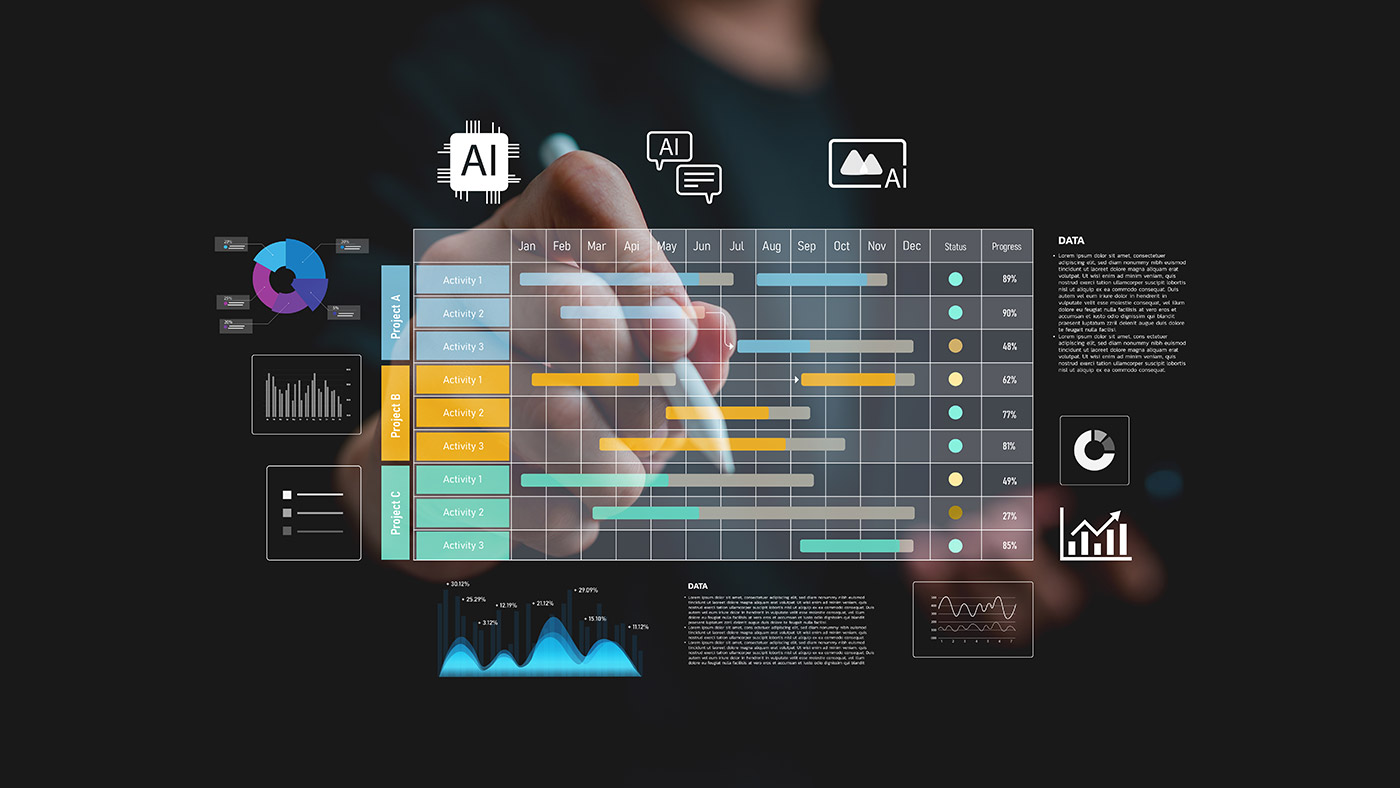
Traditionally, PMOs spend a lot of time on reporting, tracking milestones, and monitoring risk. AI can automate these repetitive tasks, pulling together data from multiple sources, identifying trends, and generating dashboards in real time.
How AI helps:
Benefit: PMO teams spend less time on routine tasks and more time providing context, interpreting trends, and advising leadership.
AI can analyse historical project data and provide predictive insights such as – forecasting potential delays, resource shortages, or budget overruns. This doesn’t remove the need for PMOs; it enhances their ability to make informed decisions and plan proactively.
How AI helps:
Benefit: PMOs can act faster, make strategic adjustments, and ensure projects stay aligned with business objectives.
AI can provide the data, but it cannot decide which projects are most important, balance the needs of different teams, or make judgment calls when trade-offs are required. PMOs remain essential in facilitating collaboration, making tough calls, and ensuring projects deliver real value.
How PMOs add value:
Institutions like Lloyds Banking Group have begun integrating AI into PMO processes. By using tools powered with machine learning and advanced analytics, they’ve automated routine reporting and gained faster insights into projects across large transformation programmes. This has enabled PMO teams to shift their focus toward strategic planning and governance while reducing the time spent on manual data preparation and analysis.
AI is reshaping how PMOs work but not why they matter. By automating routine tasks and providing deeper insights, AI allows PMOs to operate at a higher level — focusing on leadership, strategic value, and effective delivery. In the future, the most successful PMOs will be those that blend human judgment with AI enabled intelligence. Technology enhances the role — it doesn’t replace it.
For financial institutions navigating complex portfolios, regulatory pressures, and large-scale transformation programmes, combining PMO expertise with AI-driven insights is becoming a critical competitive advantage.
In the high-stakes world of financial services, staying on budget isn’t enough; you need to stay ahead of the curve. Learn how integrating AI into your PMO workflows can transform “what happened” into “what’s next,” allowing your team to mitigate risks before they escalate and deliver complex portfolios with unprecedented precision.