We have updated our Privacy Policy, click here for more information.
Thank you




Finovate Europe 2026 brought a clear shift in tone: the conversation around AI in financial services has moved decisively beyond experimentation and hype toward implementation, governance and strategic execution.
The opening keynote on designing human-machine interactions drew on experience from Google, Meta and Microsoft, delivering a powerful takeaway: the people actually doing the job are best placed to configure AI to support it. Those closest to the work understand the real “job to be done.” AI initiatives imposed top-down without practitioner input risk irrelevance, while those co-designed with domain experts stand a far greater chance of driving meaningful productivity.
A related theme emerged around prompt engineering. As AI systems increasingly operate through language, understanding why a model behaves a certain way requires forensic analysis of prompts. One speaker’s career journey, from writer to journalist to AI consultant, illustrated this shift perfectly: language is now infrastructure. The skill of structuring, interrogating and refining language has become a technical capability in its own right.
Across sessions, there was recognition that traditional organisational approaches to learning are no longer sufficient. “Learning days” cannot keep pace with a landscape evolving at AI speed. Continuous learning, embedded, iterative and adaptive, must replace periodic upskilling if firms are to remain competitive.
Customer impact was another recurring focus. Several speakers emphasised that retention begins at onboarding. A positive, proactive experience for new customers, one that anticipates needs and highlights relevant services, lays the foundation for long-term relationships. From a strategic perspective, the providers who simplify customers’ financial lives will ultimately win the relationship. In a world of increasing complexity, simplification becomes a competitive advantage.
Governance was the thread that tied many of these ideas together. One standout session addressed the growing issue of AI sprawl: disparate tools, pilots, applications and experiments emerging over the past three years. While experimentation has driven innovation, unmanaged sprawl creates fragmentation, duplicated effort and escalating governance risk.
An analogy from the broader modernisation discussion captured this perfectly: if you’re in a self-driving AI car, you still put on your seatbelt. Governance is not the enemy of innovation. It is what makes innovation viable at scale. Particularly in regulated banking environments, robust oversight is the prerequisite for sustainable AI adoption.
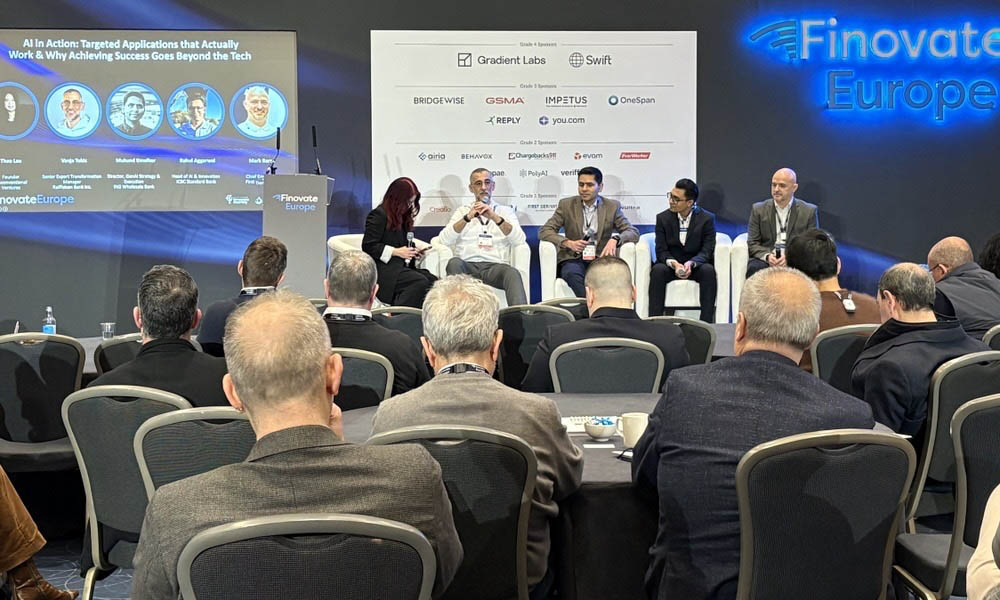
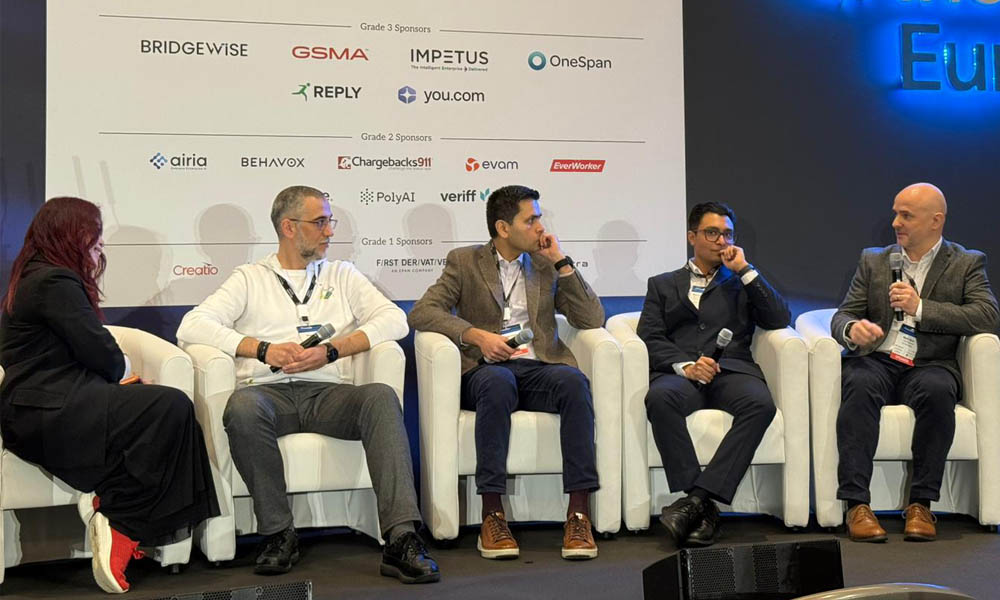
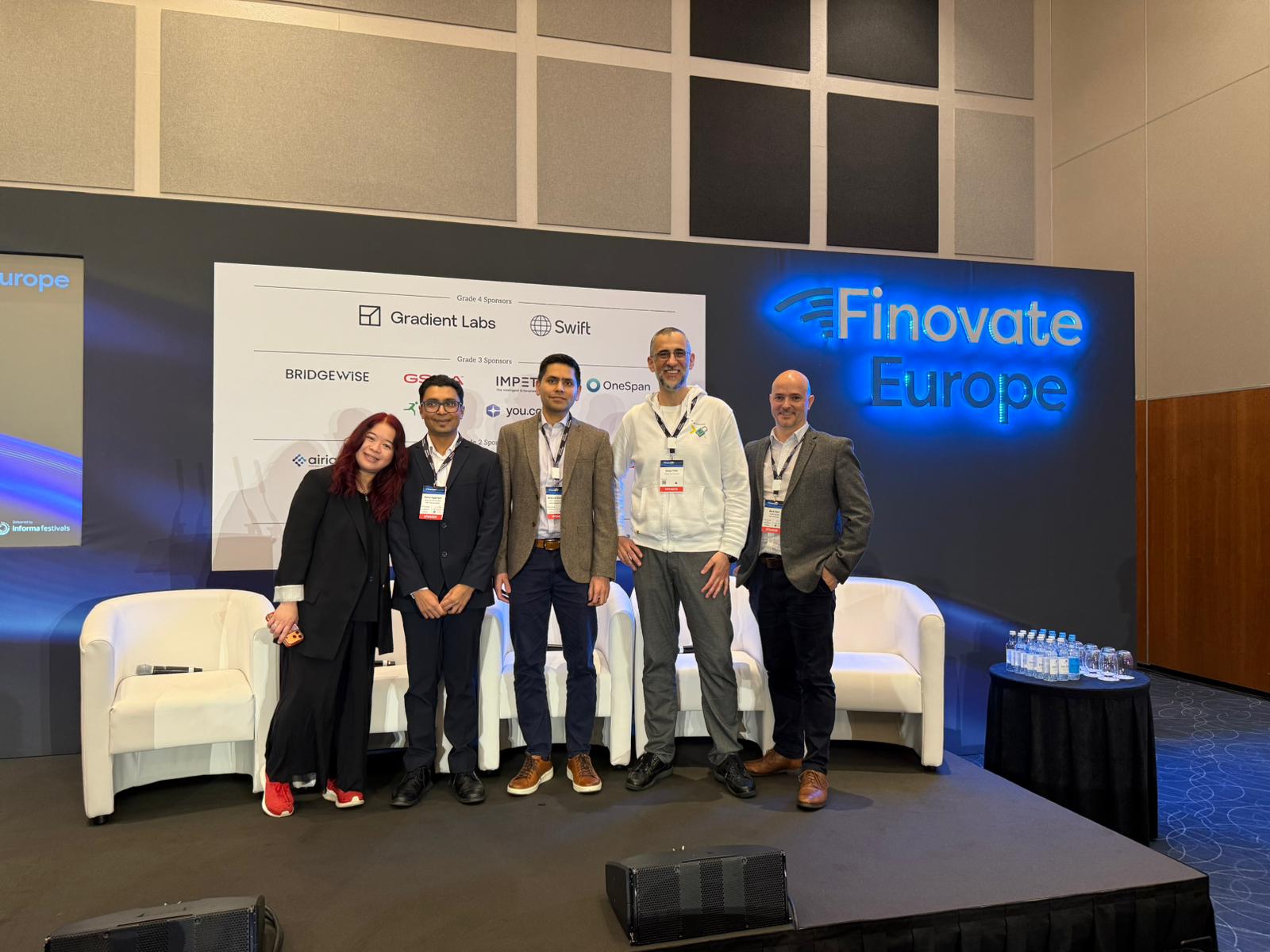
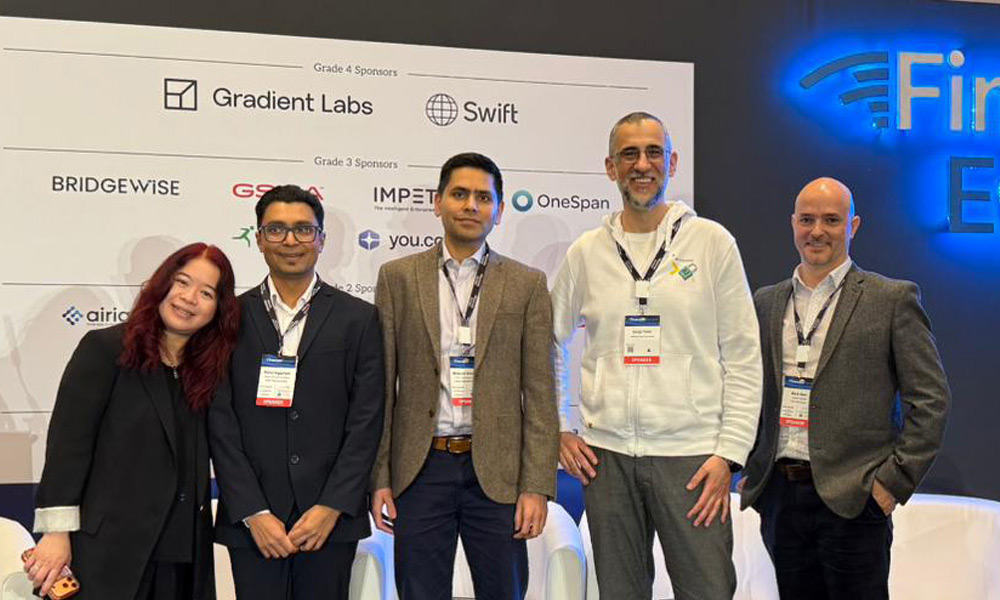
During a panel discussion, I built on this theme by advocating platform and systems thinking. The challenge facing many institutions today is not a lack of AI capability but a lack of architectural coherence. Without a strategic plan and connected AI platform, organisations risk building siloed solutions that cannot scale, interoperate or be governed effectively. The next phase of AI maturity requires deliberate design: shared services, reusable components, clear operating models and integration across business domains.
Taken together, the event highlighted a maturing industry. The question is no longer whether AI, cloud and enterprise fintech can modernise complex banking environments, but how to execute responsibly and strategically. The winners will be those who combine practitioner-led design, continuous learning, customer-centric simplification and strong governance within a coherent platform strategy.
The hype cycle may not be over, but the implementation era has clearly begun.
The landscape of Financial Services is shifting fast. Discover how our combined global teams are helping the world’s leading financial institutions stay ahead of the curve through innovation and scale.